
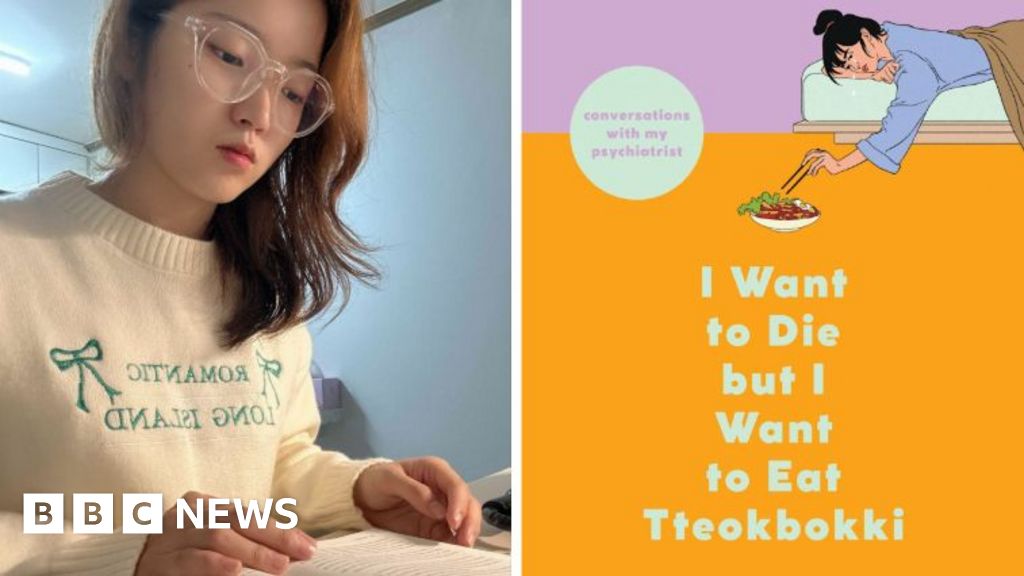
Tteokbokki, a sweet and spicy dish made from chewy rice cakes, is considered soul food in South Korea, cherished across generations. It is a significant part of the country’s street food culture and is often consumed by students after long days at school and by adults seeking comfort after work. In 2018, the book I Want to Die but I Want to Eat Tteokbokki, written by Baek Se-hee, captivated readers with its candid title and exploration of mental health issues, quickly becoming a bestseller in Korea.
Baek Se-hee recently passed away at the age of 35; the circumstances surrounding her death remain unclear. However, it has been reported that she saved five lives by donating her organs. Her memoir presents a record of her conversations with a psychiatrist, addressing her experiences with dysthymia and anxiety. Rather than focusing solely on clinical depression, the book reflects on everyday struggles that many people relate to, emphasizing the complexities of emotional well-being.
The book’s themes resonated particularly with younger audiences, such as Jo Eun Bit, a 25-year-old student who found comfort in its messages about self-acceptance amid societal pressures. Critics highlight its role in promoting discussions about mental health in South Korea, where stigmas persist. With the rise of social media creating further insecurity, many readers have noted the book’s ability to provide solace and understanding.
First published in 2018, Baek’s memoir has sold over a million copies worldwide and has been translated into 25 languages. It has notably prompted young readers to seek help for mental health issues and has expanded the reach of Korean literature. Following her death, public tributes reflected the significant impact her writings had on many individuals, fostering a broader conversation about the complexities of life and emotional challenges.
Source: https://www.bbc.com/news/articles/c15p9ndxd4eo?at_medium=RSS&at_campaign=rss