
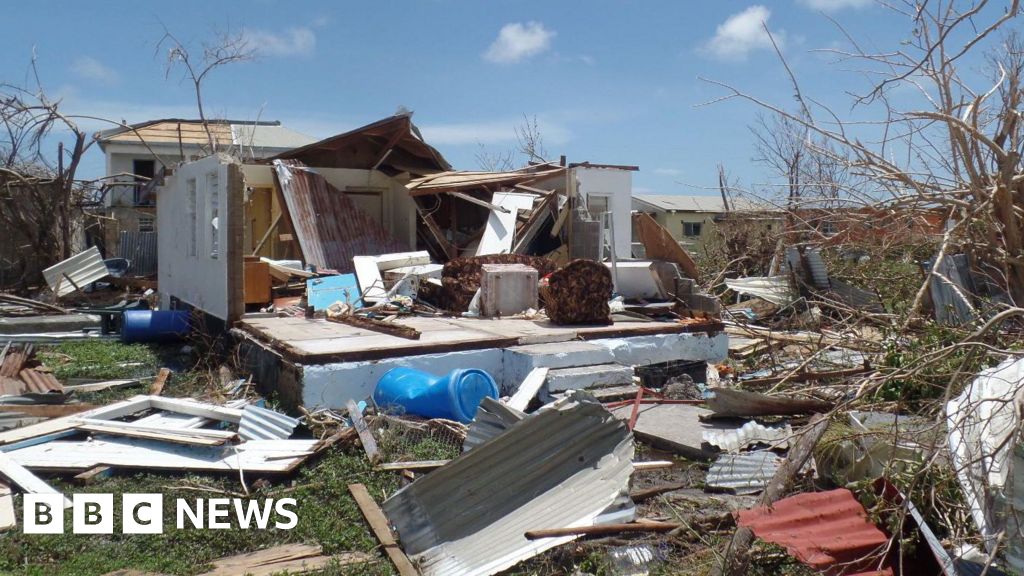
In Barbuda, the memories of Hurricane Irma in September 2017 linger for many residents, triggering emotional responses during thunderstorms. As the region approaches its peak hurricane season, home insurance has become significantly more expensive, complicating recovery efforts and financial planning for residents.
Insurance premiums across the Caribbean have reportedly increased as much as 40% in the past two years. Experts attribute this to a combination of escalating risks from more intense cyclones and the limited population sizes that result in lower returns for insurance companies. Dwight Benjamin, a Barbuda resident, shares that his home sustained relatively minor damage during Irma, but he opted to add a concrete-roof extension as a precaution. However, he questions the value of insurance, noting that many Barbudans view it as an unnecessary expense given their limited financial resources.
In the Caribbean, the majority of homes are uninsured; for instance, approximately 20% of homes in Jamaica have coverage. This underscores the broader issue of insurance availability and affordability in regions prone to natural disasters, which also include earthquakes and volcanic activity. In contrast, home insurance in places like the UK tends to cost significantly less.
The Atlantic hurricane season, spanning from June to November, poses ongoing threats to Caribbean nations, including Antigua and Barbuda. Events during this time can be emotionally taxing for survivors of past hurricanes, as they recall traumatic experiences. Mohammid Walbrook describes how the announcement of a storm can trigger memories of his own vulnerabilities during Irma.
While some Caribbean territories possess emergency funds to facilitate recovery, others, like Antigua and Barbuda, rely on international aid. The cost to rebuild Barbuda after Irma is estimated at over $200 million, with various countries and organizations providing financial assistance. Initiatives such as the UNDP’s cash-for-work program have helped stimulate local economies and facilitated reconstruction, emphasizing the need for resilience in future disaster responses.
Efforts are being made to enhance disaster preparedness in Antigua and Barbuda, including assessments of emergency shelters and collaborations with the private sector to improve building safety. As the region faces an evolving climate, the necessity for proactive planning and community resilience remains evident.
Source: https://www.bbc.com/news/articles/c2lxvjypxreo?at_medium=RSS&at_campaign=rss