
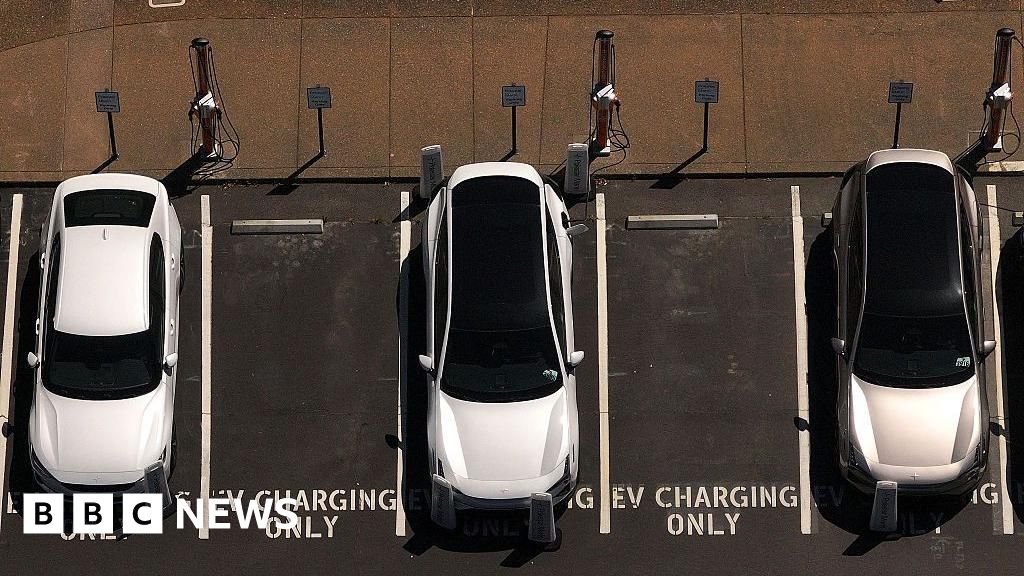
Electric vehicle (EV) sales in the U.S. have shown significant growth, with over 1.2 million battery-operated cars sold last year, more than five times the sales from four years prior. As of August 2023, EVs represented 10% of total vehicle sales, marking a record high, according to S&P Global Mobility. Major automakers like General Motors, Ford, and Tesla reported strong electric sales in recent quarterly updates, which provided a positive outlook amid broader economic challenges such as high interest rates and inflation concerns.
However, analysts suggest that this surge in sales may largely stem from consumers rushing to purchase vehicles before the expiration of a government subsidy of up to $7,500, which offered a significant price reduction for certain electric and hybrid vehicles. With this tax credit ending at the end of September, some industry leaders anticipate a decline in demand for EVs. Ford’s CEO Jim Farley and General Motors’ CFO Paul Jacobson expressed concerns about a potential decrease in sales moving forward.
In comparison to other major car markets, the U.S. still lags in the adoption of electric cars. For instance, battery electric and hybrid vehicles accounted for nearly 30% of new car sales in the UK and approximately 50% in China last year. Analysts attribute the slower uptake in the U.S. to limited government support, which contrasts sharply with incentives and regulations in other countries.
Despite the increasing affordability of electric vehicles, the average price in the U.S. remains high at over $57,000. Chinese manufacturers, including BYD, face barriers to entry in the U.S. market due to tariffs initiated by both the Biden and Trump administrations.
The market’s future trajectory will primarily depend on how carmakers respond to these economic pressures, including pricing strategies and the continuation of investment in electric vehicles. Experts predict that 2024 might be challenging, forecasting a 2% decline in overall car sales by 2026. The absence of subsidies may hinder growth, leaving the U.S. with considerable ground to cover in the competitive electric vehicle landscape.
Source: https://www.bbc.com/news/articles/c8ex2l58en4o?at_medium=RSS&at_campaign=rss