
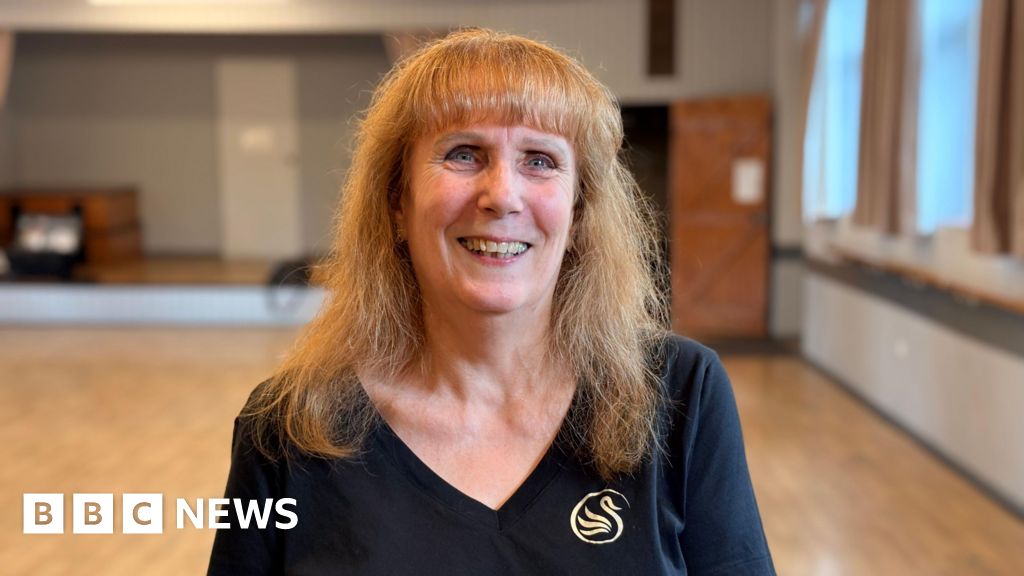
At a ballet class in Wokingham, participants, aged from 50 to over 80, perform a series of poses while a report indicates a potential 4.7% increase in the state pension starting next April. While this increase may be welcomed by retirees, concerns remain about individuals relying solely on the basic state pension. Glenys expresses sympathy for those struggling with basic necessities like food and heating.
Mary, a former architect, highlights generational challenges, noting that her daughter is preparing for childbirth while starting to save for retirement, raising questions about future financial stability for younger generations. The reflections from Glenys and Mary emphasize both the success of the UK’s triple lock pension system and the growing concerns surrounding its fairness and sustainability.
The triple lock system guarantees that pensions will rise by the higher of 2.5%, inflation, or average earnings growth. With the recent data suggesting earnings growth is the likely driver for the upcoming increase, questions arise about the system’s long-term implications. While it has helped reduce pensioner poverty, the state’s pension remains less generous compared to other wealthy nations, consequently increasing dependence on private savings. The cost of living crisis, primarily impacting essential expenses, continues to place pressure on pensioners.
Concerns are heightened as the new state pension, applicable to those who reached retirement age after April 2016, approaches the £12,570 tax threshold, which is expected to be frozen until 2028. Linda, a former hairdresser, notes the potential for pensioners to face income tax, questioning the overall benefit of such increases. The financial strain on the pension system is evident, with expenditures reaching nearly £140 billion last fiscal year, making it a significant financial burden.
The government’s forecasts indicate that by 2070, pension funding demands could equal 7.7% of GDP, raising concerns about taxpayer responsibilities as healthcare costs for older individuals also rise. Discussions around the future of the triple lock suggest a need for alternative systems that might better balance the financial needs of different generations, but whether policymakers will address this remains uncertain. The ongoing challenges suggest a need for thoughtful dialogue on pension strategies as both current and future generations face increasing financial pressures.
Source: https://www.bbc.com/news/articles/c9wdgk7ggezo?at_medium=RSS&at_campaign=rss