
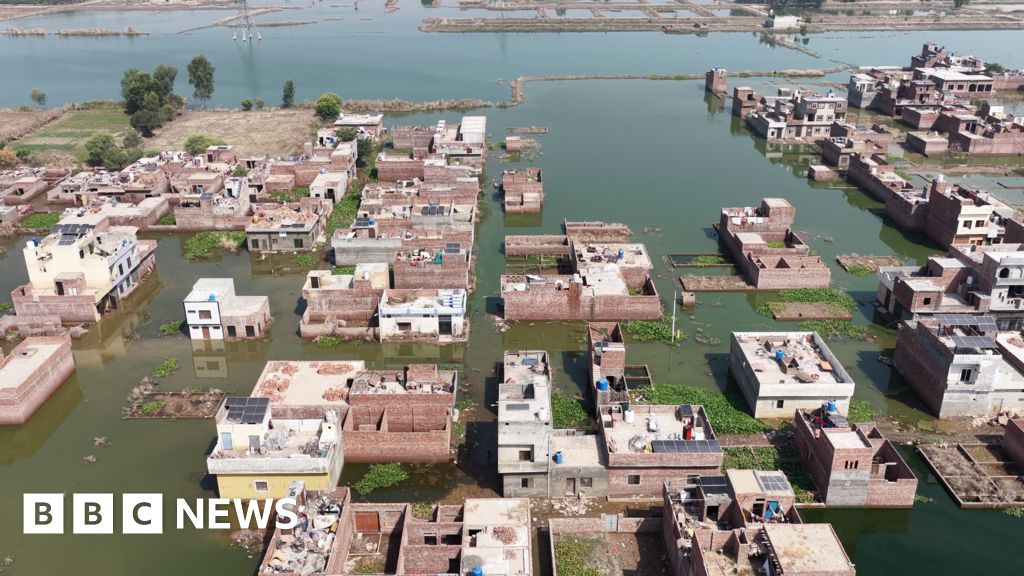
In Pakistan, severe flooding has become increasingly common during the monsoon season, which typically begins in late June. This year’s floods resulted in over 1,000 fatalities and affected approximately 6.9 million people, according to the UN Office for the Coordination of Humanitarian Affairs (OCHA). Resilience during such disasters often hinges on community action, illustrated by instances where villagers worked collectively to warn each other of impending floods.
In the northern regions, glacial melt due to rising temperatures has led to the formation of glacial lakes that can suddenly burst, posing significant risks to nearby villages. Meanwhile, in the northwestern province of Khyber Pakhtunkhwa, flash floods triggered by localized cloudbursts have led to devastating landslides, leaving communities urgently searching for missing family members.
The floods have impacted various socio-economic classes differently. Wealthier neighborhoods, such as Lahore’s Park View City, faced substantial flooding, prompting emergency evacuations. In contrast, lower-income areas saw ongoing efforts to salvage belongings amidst rising water levels, with many displaced individuals living in tents.
Legislation like Pakistan’s River Protection Act is in place to mitigate construction near flood-prone areas; however, illegal building practices persist due to economic pressures and alleged corruption within local governance. Many communities remain unaware of the laws or unable to adhere to them, which poses further risks during flood events.
In response to ongoing challenges, some architects like Yasmeen Lari have started designing climate-resilient homes constructed with natural materials. However, given the frequency of flooding, community members often express a sense of hopelessness, highlighting the urgency of finding sustainable long-term solutions.
As climate change continues to exacerbate these disasters, many individuals find themselves returning to homes that are likely to flood again, often voicing the sentiment, “I have nowhere else to go.”
Source: https://www.bbc.com/news/articles/cgmx2e3nnw0o?at_medium=RSS&at_campaign=rss