
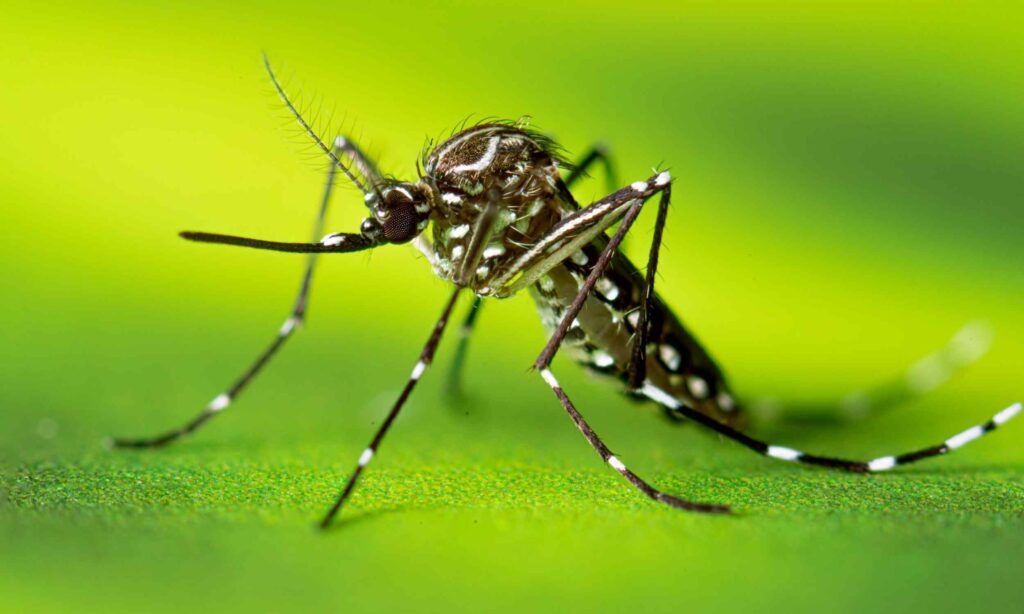
Health officials in the United Kingdom have reported the first travel-linked cases of Oropouche virus for this year. The cases involved three residents who traveled to Brazil in early 2025. Individuals returning from affected regions are urged to seek medical attention if they develop symptoms such as sudden fever, headache, or severe body aches.
Oropouche virus, also known as sloth fever, is transmitted primarily through the bites of infected biting midges, which are prevalent in warm and humid regions. While most infected individuals recover within a week, some may experience complications affecting the brain or nerves. Symptoms include fever, severe headache, joint pain, nausea, and, in some cases, a rash.
According to Dr. Sarah Guagliardo of the Centers for Disease Control and Prevention, symptoms typically appear 3 to 4 days after exposure. Health authorities note the importance of monitoring for symptom relapse, which can occur several days after initial recovery. Precautions for travelers to affected areas include using mosquito repellent, wearing protective clothing, and staying in air-conditioned accommodations.
The UK Health Security Agency (UKHSA) emphasizes the significance of early diagnosis and reporting travel history to clinicians, as it may assist in ruling out other infections with similar symptoms.
- Why it matters: Understanding the risks associated with the Oropouche virus is crucial for public health, especially for travelers returning from affected areas. Awareness of symptoms can lead to earlier treatment and prevention of potential complications.
- The latest: Oropouche virus has been increasingly monitored in Europe following similar imported cases in 2024 and early 2025.
Source: https://www.earth.com/news/first-cases-of-tropical-virus-oropouche-spread-by-mosquito-are-recorded-in-uk/
Source: https://www.earth.com/news/first-cases-of-tropical-virus-oropouche-spread-by-mosquito-are-recorded-in-uk/