
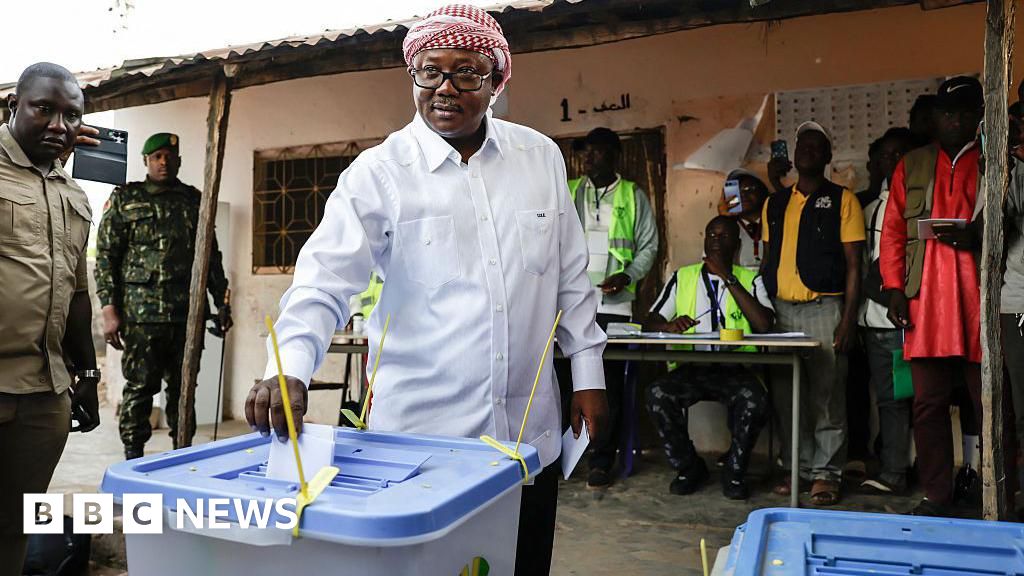
Senegal’s Prime Minister Ousmane Sonko and former Nigerian President Goodluck Jonathan have expressed skepticism regarding the recent military ousting of Guinea-Bissau’s President Umaro Sissoco Embaló, describing it as potentially not a genuine coup. This event occurred just one day before the scheduled announcement of election results. Following the military intervention, the electoral process has been suspended, and the release of results has been obstructed. The military claims it intervened to prevent a destabilization plot involving unnamed individuals supported by a known drug trafficker.
In the aftermath, Embaló reportedly arrived in Senegal on a military charter, having been released by forces that took control of his government. Jonathan, who had been in Guinea-Bissau as part of a West African Elders Forum election observer delegation, characterized the situation as a “ceremonial coup” and raised questions about the unusual circumstances surrounding Embaló’s announcement of his own ousting. He noted that the situation differed from previous military coups in the region.
Senegal’s Sonko termed the events a “sham,” aligning himself with opposition claims that the coup was staged, although no substantial evidence has been provided to support these assertions. Embaló has not publicly addressed these allegations.
In governance changes, General Horta N’Tam, now the transitional leader, appointed Ilidio Vieira Té as the new prime minister. Both the African Union and the Economic Community of West African States (ECOWAS) have suspended Guinea-Bissau following the military takeover, urging a return to civilian rule.
Guinea-Bissau, known for its political instability and drug trafficking issues, has seen a mixed public response. Some residents expressed fear and regret about the situation, citing the chaos it may create, while others have shown support for the military, hoping for improved living conditions.
Source: https://www.bbc.com/news/articles/cz0nlxlr87go?at_medium=RSS&at_campaign=rss