
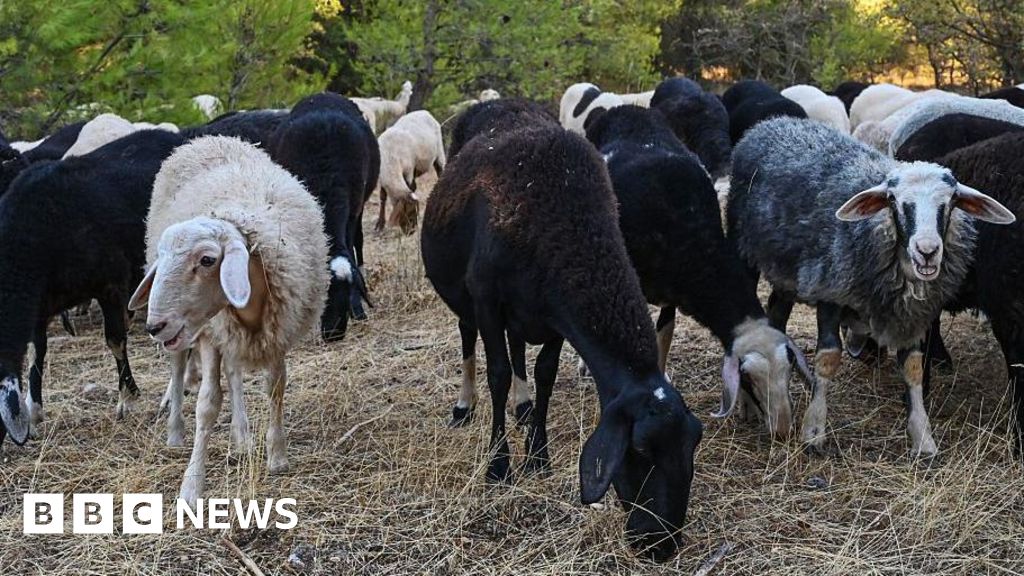
A significant outbreak of sheep and goat pox in Greece has led to the culling of hundreds of thousands of sheep and goats, affecting the production and export of feta cheese. By mid-November, over 1,700 cases of the disease were documented, prompting veterinary officials to order the culling of 417,000 animals, which constitutes about 4-5% of the nation’s total herd.
The disease was first detected in August 2024 in northern Greece and quickly spread across various regions. Preventive measures require the entire herd to be culled if a single case is confirmed. Small-scale farmers are facing financial strains due to losses in livestock and the inability to source sufficient sheep’s milk for cheese production, with 80% of Greece’s sheep and goat milk devoted to making feta, a product with protected designation of origin status in the EU.
Farmers have expressed discontent with the government’s compensation, which ranges from €132 to €220 per sheep, and argue it does not adequately cover their losses. There has been criticism of the government’s response timeline, including delays in establishing a National Scientific Committee to manage the outbreak, which only formed in late October 2025, over a year after the first infection was reported.
The farmers also report illegal animal transport and unreported instances of infected livestock burying in unauthorized locations. The Ministry of Rural Development and Food has stated that it initiated eradication plans as per European protocols. However, the effectiveness of these measures is questioned, especially with reports indicating that farmers may have conducted illegal vaccinations, complicating the control efforts.
While mass vaccination is permitted under specific EU guidelines, the Greek government has resisted this approach, fearing that it could lead to restrictions on exports, particularly of feta cheese. Meanwhile, affected farmers remain concerned about the sustainability of their livelihoods as they face significant operational challenges and emotional distress from the ongoing situation.
Source: https://www.bbc.com/news/articles/cgex9d0212xo?at_medium=RSS&at_campaign=rss