
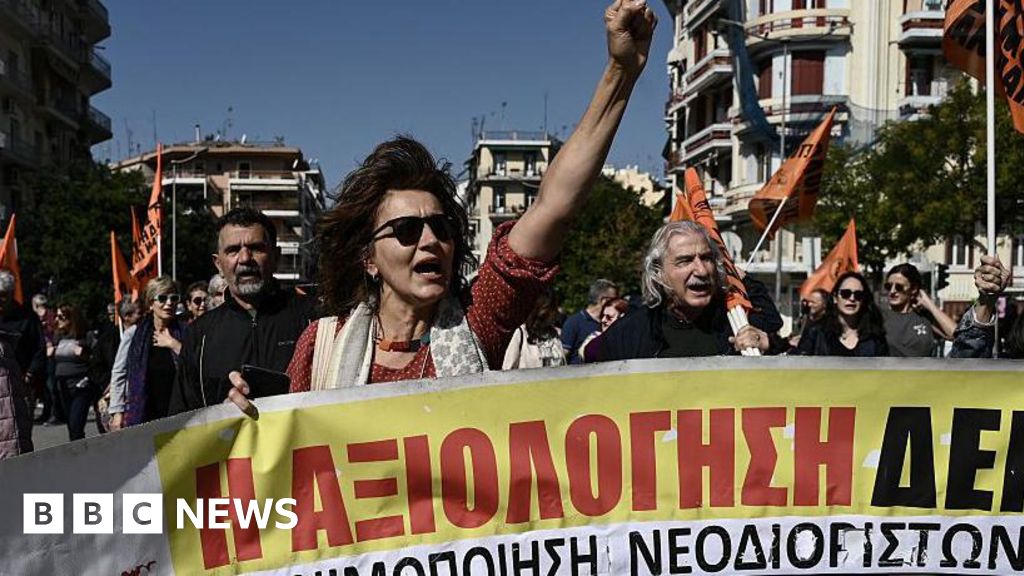
Greece’s parliament has passed a controversial labor bill aimed at updating labor laws, despite facing substantial opposition and nationwide strikes. The government advocates that this bill will modernize the existing framework, though the left-wing opposition Syriza party has criticized it strongly.
The new legislation allows for 13-hour workdays on an optional basis, with annual overtime capped at 150 hours. It maintains the 40-hour workweek standard but stipulates that the extended hours can only be implemented up to 37 days per year. Officials assert this provision pertains solely to the private sector and participation remains voluntary.
The bill received support from the ruling New Democracy party, while the main opposition party, Pasok, voted against it. The Syriza party chose to abstain from voting. Unions conducted two general strikes in recent weeks, paralyzing public transport and services in protest against the proposed changes.
Labor Minister Niki Kerameus defended the legislation, arguing that it aligns Greek law with current labor market conditions and accused opposition leaders of misleading the public. The new provisions would allow workers to take on extra hours with their current employer at pay rates 40% higher than their usual wages, ensuring job security for those who decline overtime.
Opposition parties claim the bill threatens workers’ rights, suggesting it could regress labor conditions in Greece. They cite that Greek workers already endure longer hours than their counterparts in many other European nations, often struggling to make a living despite these extended hours.
Data shows Greece recorded the longest average working week in the EU in 2024, with 39.8 hours. Additionally, Greece’s minimum wage is among the lowest in the EU, and while unemployment has decreased from a crisis peak of 28% to 8.1%, wages and living standards continue to lag behind many other EU countries.
Source: https://www.bbc.com/news/articles/cgjd76pw79do?at_medium=RSS&at_campaign=rss