
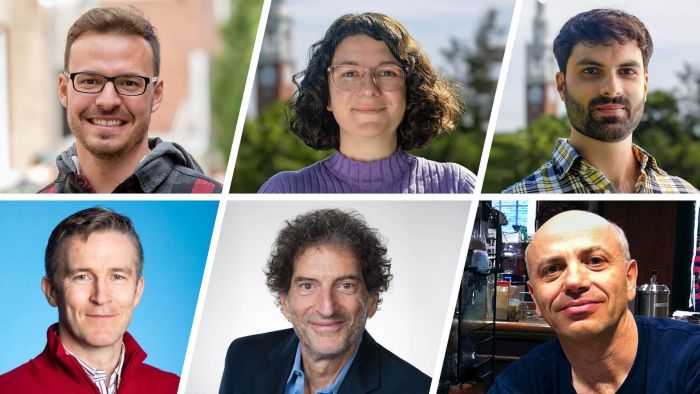
Researchers from the University of Vermont (UVM) and the Santa Fe Institute (SFI) have developed a new mathematical model to explain the dynamics of how ideas and beliefs spread. Published in Physical Review Letters, the study introduces the concept of “self-reinforcing cascades,” which accounts for the evolving nature of the information being shared. Unlike traditional branching models that assume the item remains constant as it spreads, this new model recognizes that ideas may strengthen or weaken as they circulate.
Co-author Sid Redner likens this process to forest fires, where the intensity can change depending on environmental conditions. The model shows that if an idea resonates even slightly with an audience, it can lead to widespread dissemination. The findings highlight that variability in what goes viral can emerge naturally from this mechanism.
One of the co-authors, Juniper Lovato, notes that the insights from this research can enhance understanding of misinformation and social contagion. The study forms part of a larger National Science Foundation-funded initiative exploring the evolution of narratives and stories, and the team plans to validate their model using data from platforms like BlueSky.
- Why it matters:
- This research can help businesses and policymakers better understand how ideas and information spread in the digital age.
- It could provide tools for combating misinformation and enhancing public discourse.
- The latest:
- The research team is set to test their model using real-world data from social media platforms.
Source: https://vermontbiz.com/news/2025/august/24/going-viral-how-ideas-beliefs-and-innovations-spread-digital-age
Source: https://vermontbiz.com/news/2025/august/24/going-viral-how-ideas-beliefs-and-innovations-spread-digital-age