
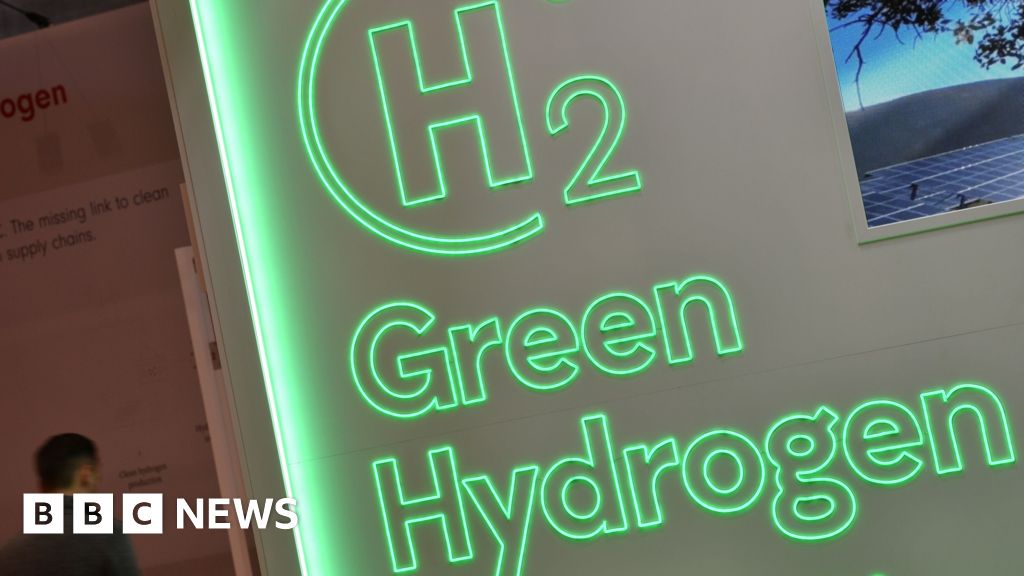
Quest One, a company based near Hamburg, Germany, is focused on the production of electrolysers that split water into hydrogen and oxygen using proton exchange membranes. Despite its advanced robotic assembly process, which enhances efficiency and speed, the facility currently faces a surplus of production capacity relative to its order volume. This has resulted in staffing concerns; earlier this year, the company had to reduce its workforce by 20%.
Demand for green hydrogen remains low, primarily due to its higher cost compared to fossil fuels. Currently, low-emissions hydrogen production constitutes less than 1% of total hydrogen production globally. Although Quest One aims for the cost of green hydrogen to decrease to €4 ($4.60) per kilogram, this goal hinges on increased production scale and market adoption.
Additionally, there is a perceived disconnect between the sectors most in need of green hydrogen—such as steel and chemicals—and less competitive applications gaining public interest, like hydrogen heating for buildings and fuel for vehicles. Critics argue that focusing on these less efficient uses might divert attention and resources from more appropriate applications.
Infrastructure development, including hydrogen pipelines in northern Germany and underground storage projects, is underway. However, many initiatives are still at the planning stage, with full operational capabilities anticipated only by the 2030s.
The German government acknowledges the necessity of hydrogen for climate objectives but has recently scaled back its ambitions. In contrast, domestic producers are advocating for increased government support to remain competitive, especially against China, which dominates the global electrolyser market with nearly 60% of production capacity. Many green hydrogen projects have been postponed or canceled, underscoring the industry’s uncertainty. While some companies exit the space or narrow their focus, others express urgency for market stabilization to avoid further disruptions.
Source: https://www.bbc.com/news/articles/cze60epnde0o?at_medium=RSS&at_campaign=rss