
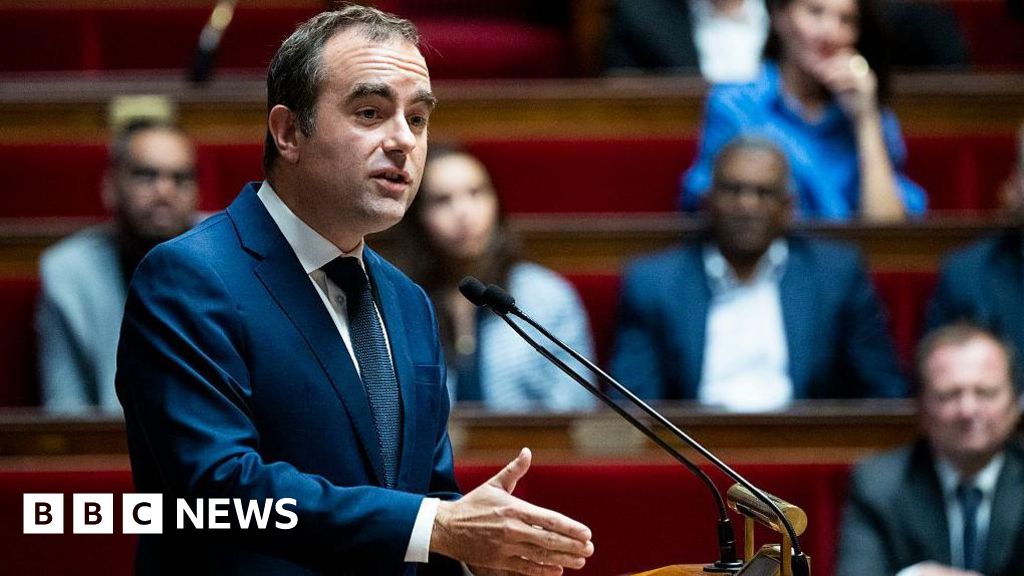
Sébastien Lecornu has recently navigated a challenging start as France’s prime minister by successfully overcoming two no-confidence motions presented by opposition members. The first motion, led by a far-left faction, fell short by 18 votes of the necessary 289 to remove him from office. This outcome allows Lecornu to concentrate on advancing the 2026 budget, despite ongoing threats from both the far left and far right to challenge his leadership again.
Lecornu’s reprieve, however, may be temporary. The Socialists, who previously supported him, have stated they will not extend that support indefinitely. After his chaotic reappointment — following a brief resignation — Lecornu made significant concessions to the left, including a commitment to freeze a key economic reform involving the retirement age, which originally aimed to raise it to 64.
In a notable shift of power, Lecornu also promised not to utilize the constitutional mechanism known as 49:3, which permits the government to pass laws without a parliamentary vote. This decision appears to hand control over the budget to parliamentary parties, a move seen as reflecting a decline in presidential authority since a failed parliamentary dissolution led by President Emmanuel Macron in July 2024.
The draft budget recently introduced aims to decrease the deficit to 4.7% of GDP through proposed savings of €30 billion. However, the Socialists, along with other leftist and far-right factions, have criticized it as detrimental to lower-income groups. The party’s leader expressed willingness to support further votes of censure unless particular measures in the budget are altered.
The current political landscape in France features a fragmented National Assembly, where no prime minister since the last 15 months has maintained a stable majority. As discontent with the political environment rises, President Macron’s popularity has plummeted, with many voters attributing the ongoing crisis to his administration. Calls for his resignation continue to emerge as the political climate remains contentious.
Source: https://www.bbc.com/news/articles/clykve1xnn6o?at_medium=RSS&at_campaign=rss