
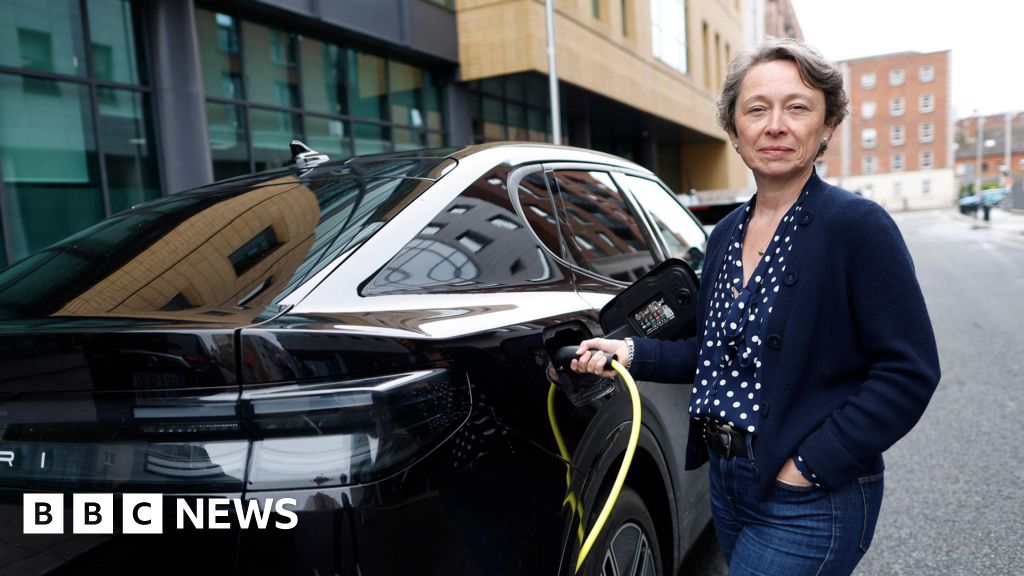
Lisa Brankin, managing director of Ford UK, has raised concerns regarding potential new taxes on electric vehicles (EVs), suggesting that such measures could deter consumers amid a period of waning interest in EV purchases. This follows reports indicating that Chancellor Rachel Reeves may consider new levies on EVs in the upcoming Budget.
Brankin emphasized that introducing a pay-per-mile charge for electric vehicles, which the Chancellor is reportedly contemplating for implementation in 2028, could further hinder demand. According to her, the complexities of tracking mileage may discourage potential EV drivers. Ford UK’s current situation highlights the challenges of selling EVs when consumer demand appears unstable.
The UK government has mandated that 80% of new car sales must be electric by 2030 or face penalties, and Ford cites government support as essential in achieving this goal. Currently, the reinstated grant of up to £3,750 is seen as critical to encourage EV purchases. Despite improvements, sales statistics from the Society of Motor Manufacturers and Traders show that fully-electric vehicles represented only 22.4% of new car sales by October, up from 18.1% a year prior.
Brankin pointed out distressing trends such as heavy discounting of cars and a decline in second-hand EV resale values. She noted that many EVs are primarily sold to businesses, which benefit from tax incentives, and emphasized the importance of maintaining these benefits to support corporate transitions to greener vehicle fleets.
Furthermore, the transition to EVs raises questions about the future of the Ford diesel engine plant in Dagenham, which employs around 1,800 staff and is expected to manufacture diesel engines until 2030. Brankin stated that discussions about the plant’s future are ongoing, but no decisions have yet been made.
Source: https://www.bbc.com/news/articles/c5yp1ky55g1o?at_medium=RSS&at_campaign=rss