
Airbus has informed airlines that they will need to make immediate modifications to thousands of aircraft due to concerns that intense solar radiation may interfere with critical flight control data. Around 6,000 aircraft, which includes approximately half of Airbus’s global fleet, could be affected. While many of these planes can be updated with a simple software change, others, particularly older models, may require more extensive hardware modifications.
The UK’s Civil Aviation Authority (CAA) has indicated that implementing these updates may result in flight disruptions or cancellations. Airbus acknowledged that these modifications would impact operations and apologized for any inconvenience caused to passengers.
The issue came to light following an incident involving a JetBlue Airways A320 on October 30, which experienced a sudden altitude drop during flight, leading to an emergency landing in Florida. Reports indicate that at least 15 individuals sustained injuries during this incident, highlighting the potential safety implications of the flight control issue.
Among the models affected are the A320, as well as its variants, including the A318, A319, and A321. While approximately 5,100 planes can be corrected through software updates, those requiring hardware changes must be taken out of service, complicating the modification process.
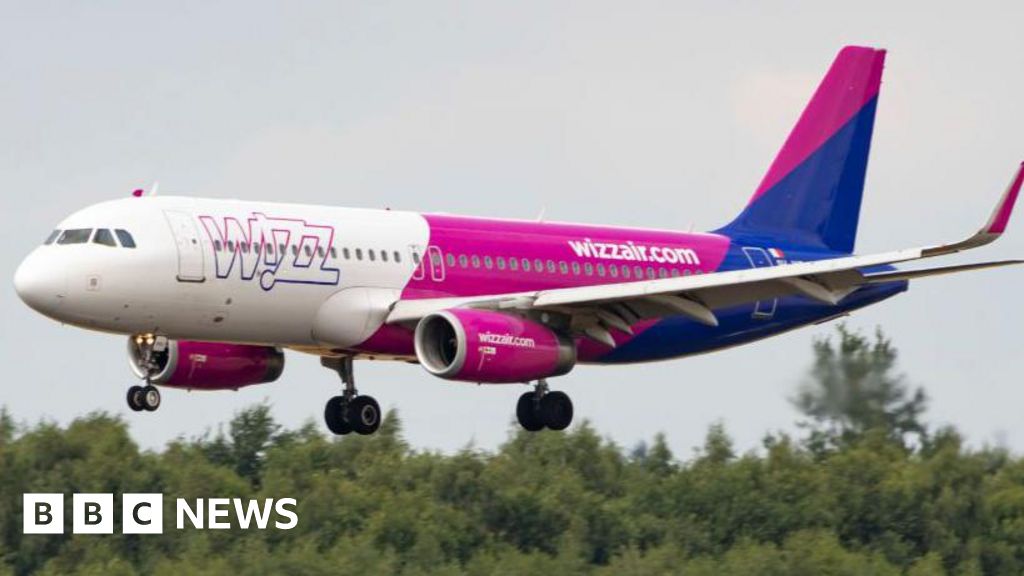
Several airlines have responded to the directive. Wizz Air confirmed that some of its aircraft would necessitate updates and have scheduled the required maintenance. Air India also indicated that its operations might face delays due to the required modifications. British Airways reported minimal impact, while easyJet mentioned that some disruptions are expected and assured passengers that safety remains a top priority.
The CAA advised passengers to check with their respective airlines regarding potential flight alterations. The problem stems from the potential interference of solar and cosmic radiation on the ELAC computer, which controls essential flight surfaces. Airbus has urged airlines to take precautionary measures to ensure the safety of the fleet, while the European Union Aviation Safety Agency (EASA) has echoed this directive for the broader A320 fleet worldwide.
Source: https://www.bbc.com/news/articles/c8e9d13x2z7o?at_medium=RSS&at_campaign=rss