
Fiji is experiencing a significant rise in HIV cases, particularly among its younger population, attributed largely to intravenous drug use. Since the founding of the Survivor Advocacy Network in 2013, founded by Sesenieli Naitala, the nation has seen a notable increase in infections. Currently, the youngest person known to have HIV is just ten years old. Data indicates that the number of individuals living with HIV in Fiji escalated from fewer than 500 in 2014 to approximately 5,900 in 2024, representing an elevenfold increase. In 2024 alone, 1,583 new cases were reported, significantly above the five-year average, with 41 cases recorded among those aged 15 or younger.
The Fijian government declared an HIV outbreak in January due to these alarming trends. Health Minister Penioni Ravunawa warned that the country might see over 3,000 new cases by the end of 2025, characterizing the situation as a national crisis. Experts suggest that while rising awareness and reduced stigma have encouraged more individuals to seek testing and treatment, many remain undetected, likely indicating the actual crisis is even larger than current figures suggest.
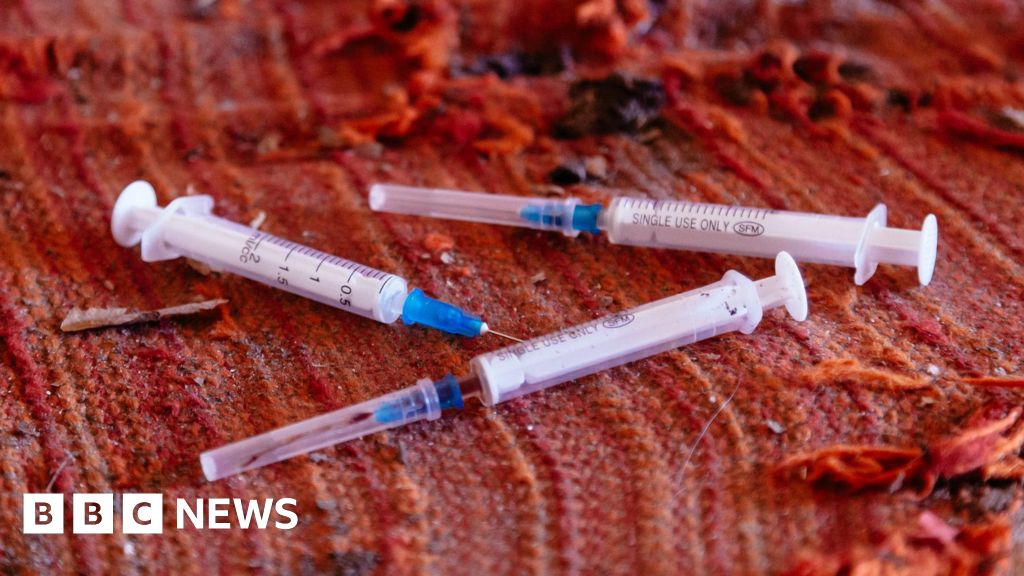
A concerning practice contributing to this HIV surge is known as “bluetoothing,” where drug users share blood through intravenous methods. This trend has worsened amid a shortage of syringe access due to strict pharmacy regulations. The Fijian Ministry of Health has recognized bluetoothing and related practices as factors driving the increasing infection rates. Drug use, particularly crystal meth, has become prevalent, with an alarming trend of younger individuals engaging in this behavior.
Recent statistics show that injectable drug use is the leading mode of HIV transmission, accounting for 48% of cases. Efforts to improve HIV surveillance and address underreporting have been initiated by the Fijian government. However, challenges persist, including staffing shortages and difficulties in data collection, raising concerns about the future trajectory of the epidemic in Fiji.
Source: https://www.bbc.com/news/articles/c0m42dwvlk8o?at_medium=RSS&at_campaign=rss