
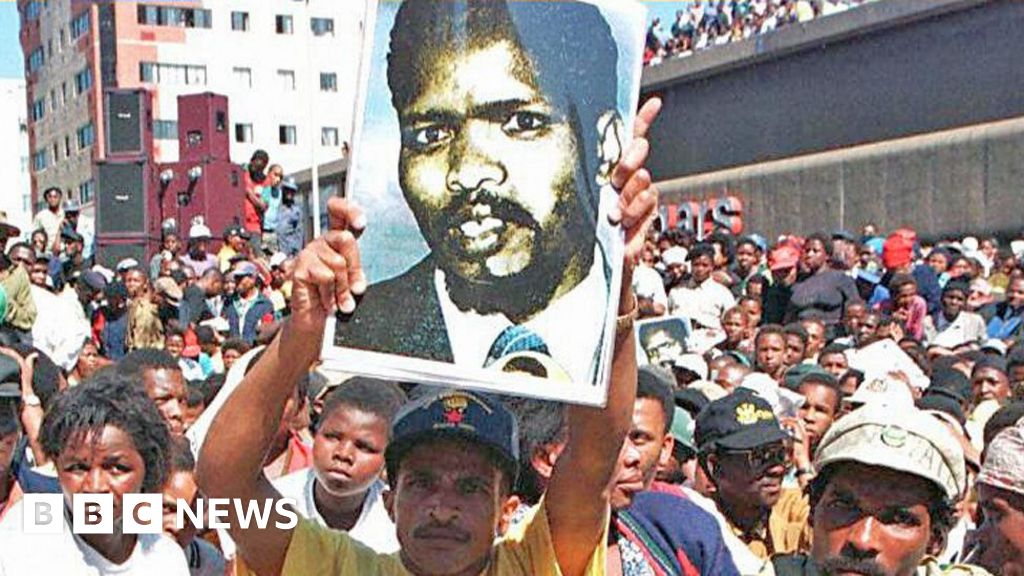
Nkosinathi Biko, the son of the late South African anti-apartheid activist Steve Biko, expressed confidence in a new inquest into his father’s death nearly 48 years ago, believing it may lead to the prosecution of those responsible. Steve Biko, a key figure in the Black Consciousness Movement, died at the age of 30 from a brain injury sustained while in police custody after his arrest at a roadblock.
At the time of his death in 1977, police claimed Biko had injured himself by banging his head against a wall. However, following the end of apartheid in 1994, former police officers admitted to assaulting him, yet no legal action was taken against them. Nkosinathi, who was just six years old when his father died, emphasized the importance of addressing this violent past for the country’s progress.
He remarked that the details surrounding Biko’s death are clear to the family, particularly in light of the allegations that five policemen tortured him during his detention, which occurred while he was under a “banning order” that restricted his movements. The ongoing inquest was initiated on the anniversary of Biko’s death, and it was noted that two individuals linked to the case are still alive, both now in their 80s.
Biko’s death sparked significant outrage and had a lasting impact on South African society. He had founded the Black Consciousness Movement while pursuing medical studies at the University of Natal, aiming to empower the urban black population during a time when many anti-apartheid activists were silenced.
The inquest follows President Cyril Ramaphosa’s recent announcement of a judicial inquiry into potential political interference in the prosecution of apartheid-era crimes. The Truth and Reconciliation Commission (TRC) addressed Biko’s case, revealing that involved policemen had previously made false statements, yet prosecution never occurred. Nkosinathi stressed the need for accountability in light of the historical injustices faced by South Africans. The next hearing in the case has been scheduled for 12 November.
Source: https://www.bbc.com/news/articles/c931n9eelpeo?at_medium=RSS&at_campaign=rss