
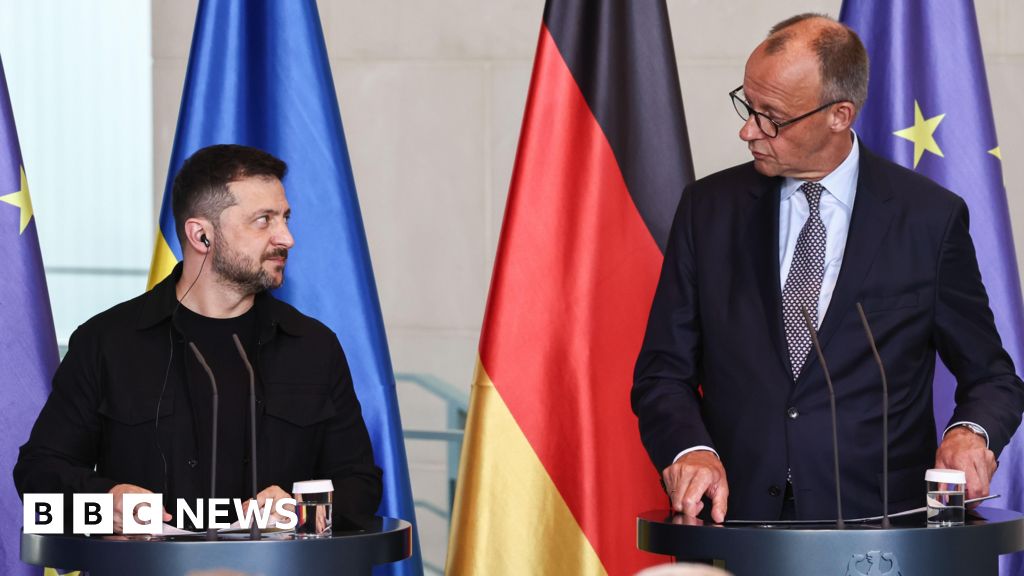
European leaders expressed cautious optimism following a virtual meeting with U.S. President Donald Trump, which took place two days prior to his scheduled meeting with Russian President Vladimir Putin in Alaska to discuss the ongoing conflict in Ukraine. Trump conveyed his intention to seek a ceasefire between Moscow and Kyiv during this summit. He acknowledged that any territorial issues should be addressed with the involvement of Ukrainian President Volodymyr Zelensky and emphasized the need for security guarantees as part of the discussions, as noted by French President Emmanuel Macron.
Trump, along with Vice-President JD Vance, engaged with leaders from the UK, France, Germany, Italy, Finland, Poland, EU Chief Ursula von der Leyen, and NATO Chief Mark Rutte. The Europeans, excluded from the Alaska summit, utilized this phone call as an opportunity to reaffirm Ukraine’s interests and continental security.
Following the meeting, Trump rated the interaction highly and warned of “very severe” consequences for Russia if it continued its military actions in Ukraine. He indicated plans for a “quick second meeting” involving both Putin and Zelensky if the initial discussions were productive. However, European leaders reiterated the importance of Ukrainian involvement in any final agreements, indicating concern that concessions might be made without their input.
Former Polish Prime Minister Donald Tusk stressed the necessity for Europe to convince Trump of Russia’s unreliability, while German Chancellor Friedrich Merz highlighted that Ukraine must participate in future dialogues. If Russia remains inflexible, Merz asserted that the U.S. and Europe should intensify pressure.
The Russian Foreign Ministry reiterated its stance, with conditions for a ceasefire centered on Ukraine’s withdrawal from four occupied regions and the abandonment of NATO aspirations. These demands are deemed unacceptable by Kyiv and its allies. Ukrainian President Zelensky expressed skepticism about Russia’s intentions, warning that any concessions could facilitate future aggression.
Discussions of security guarantees for Ukraine were noted during the call, with UK Prime Minister Keir Starmer affirming progress in this area. Since spring, the UK and France have been advocating for a “Coalition of the Willing” to deter further Russian aggression. This coalition expressed readiness to support Ukraine with a “reassurance force” post-conflict, although specifics remain undefined.
As Russia’s military operations continue, Zelensky criticized the impact of sanctions, asserting that more pressure is needed on Russia. Trump acknowledged the challenges in pressuring Putin directly, reflecting on past conversations that did not yield changes in behavior regarding civilian casualties in Ukraine.
Source: https://www.bbc.com/news/articles/cpv0l9e187yo?at_medium=RSS&at_campaign=rss