
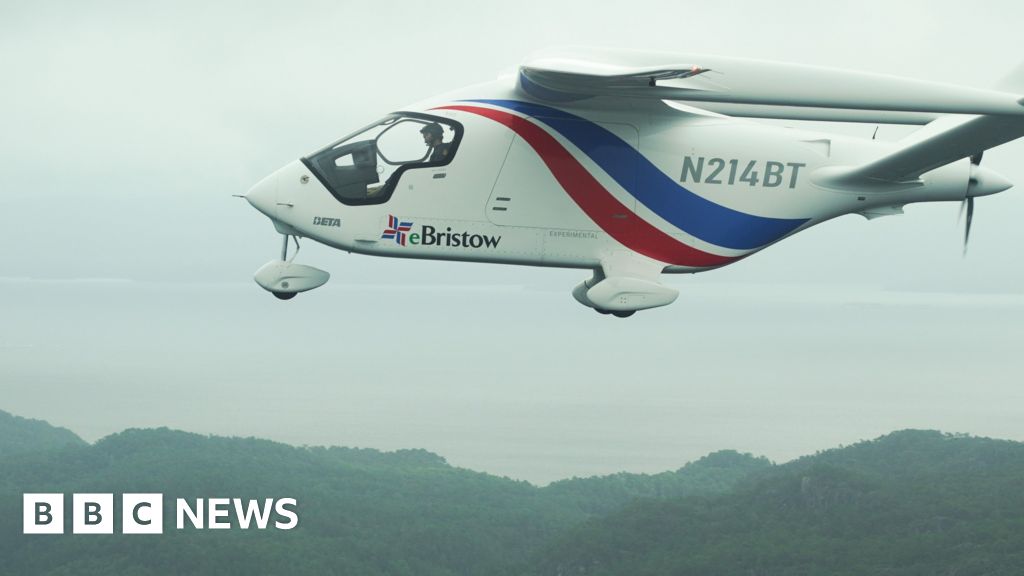
In early October, the electric aircraft Alia, developed by US company Beta Technologies, made a test landing in Bergen, Norway, after completing a 100-mile (160 km) flight solely on battery power in 55 minutes. Designed for cargo operations with a capacity of up to 560 kg, Alia’s flight simulated a future cargo route between Stavanger and Bergen, part of Norway’s efforts to explore low-emission aviation options. This test is part of a broader initiative that includes multiple planned flights in the region.
Pilot Jeremy Degagne noted the efficiency of the flight, stating that a conventional drive would take approximately four and a half hours compared to the flight’s 52 minutes. Karianne Helland Strand from Norwegian airport operator Avinor described the event as a significant milestone for Norway as an international testing ground for new aviation technologies.
Alia boasts a range of 400 km (250 miles) on a single charge and can recharge in under 40 minutes, comparable to recharging an electric vehicle. The aircraft can also be adapted for medical transport or passenger travel, with a five-seat configuration. Beta Technologies aims to secure US certification for Alia within the year and has notable investors such as Amazon and clients like UPS.
Despite such advancements, electric aviation faces significant challenges, particularly regarding battery limitations. The only fully certified electric plane, the Pipistrel Velis Electro, has a limited range of 185 km and is primarily used for training purposes. The European market has seen other electric projects falter, including Airbus’s recent withdrawal from its CityAirbus electric aircraft initiative.
The future of electric aviation may hinge on hybrid technologies, as firms like Heart Aerospace and Electra explore possibilities for combining electric and traditional fuel systems. Experts suggest that advancing hybrid aircraft could enhance ranges and maintain environmental benefits. However, viable solutions must still demonstrate safety and commercial potential to succeed in the aviation industry.
Source: https://www.bbc.com/news/articles/cx27vlp3zzgo?at_medium=RSS&at_campaign=rss