
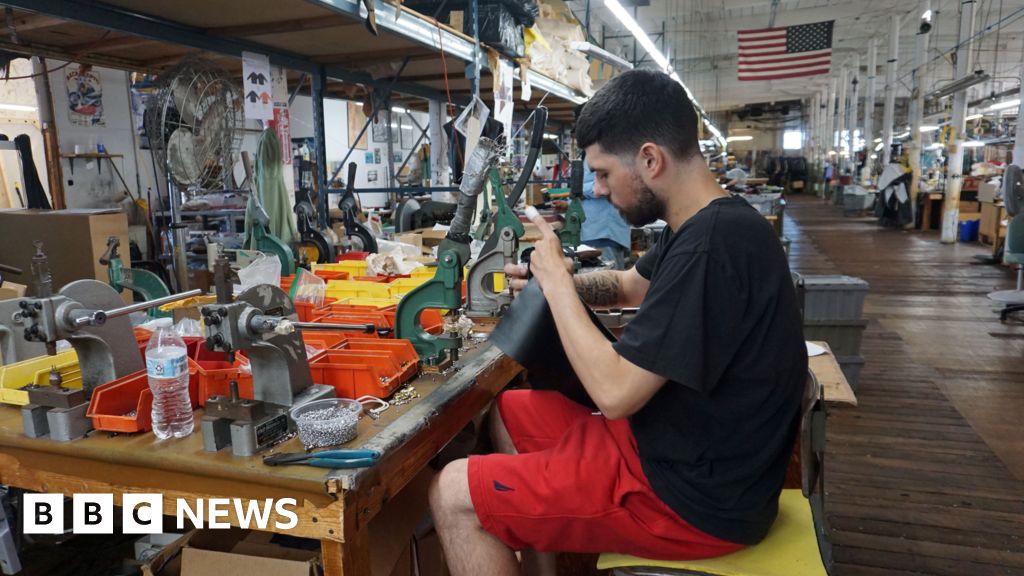
In a factory in Fall River, Massachusetts, 15 workers are dedicated to producing specialty neonatal gear, a remnant of a once larger manufacturing operation run by the Teixeira family. The family shifted their business model to warehousing and distribution in 1990, closing most of their manufacturing. Recently, they have received increasing inquiries for their US-based sewing services, correlated with the implementation of new tariffs introduced during Donald Trump’s presidency. However, the Teixeiras have chosen to decline these offers, citing challenges in hiring due to immigration policies and uncertainty about sustained demand.
The broader push for a manufacturing revival, a key promise of Trump’s campaign, appears complex. For example, Frank Teixeira, who has been involved in the family business since the 1970s, expresses skepticism about the tariffs, suggesting they might hurt rather than help the manufacturing sector.
Despite the administration’s assurances of economic improvements through tariffs aimed at lowering costs, experts have raised concerns that these policies may lead to increased expenses for businesses and consumers alike. Research indicated that while some industries might benefit, the negative impacts on others reliant on imports could outweigh any gains.
For instance, George Matouk, a local manufacturer, reported increased costs exceeding $100,000 per month due to tariffs affecting the importation of materials vital for his high-end bedding products. Matouk expressed frustration over the additional financial burdens imposed by tariffs, noting that while he supports domestic manufacturing, the current policies do not seem to provide the anticipated benefits.
In contrast, Mike van der Sleesen of Vanson Leathers acknowledged that tariffs have raised his costs but stated that the uneven trade landscape persists, complicating predictions about future growth. Local residents, like retired transit worker Tom Teixeira, have expressed a willingness to give the administration time to prove the effectiveness of its manufacturing strategy. As the situation evolves, many are left questioning how these tariff policies will ultimately affect the manufacturing landscape and local economies.
Source: https://www.bbc.com/news/articles/c3rvdxz9589o?at_medium=RSS&at_campaign=rss