
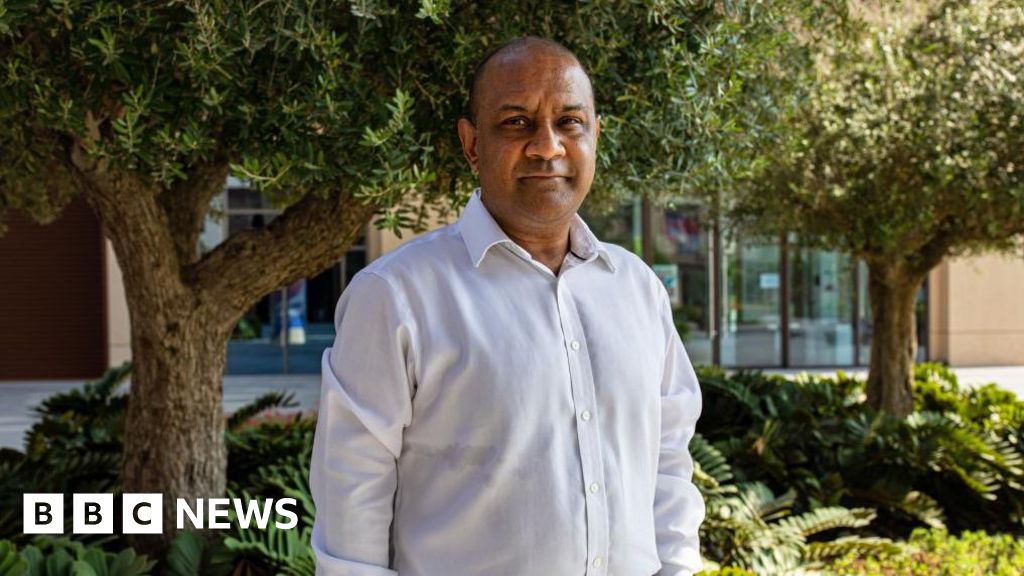
Denmark’s tax authority, Skatterforvaltningen (Skat), recently lost a £1.4 billion case in the High Court in London, marking one of the highest-value civil cases in the UK. Skat accused the defunct hedge fund Solo Capital Partners, led by trader Sanjay Shah, of falsely claiming substantial tax rebates through “cum-ex schemes.” Shah was convicted in Denmark last year and received a significant sentence for fraud.
Judge Andrew Baker ruled that Skat had not been deceived into issuing the tax payments, which was the central argument of the case. He stated that although there was evidence of significant greed, it did not support Skat’s allegations. The court examined 4,170 dividend refund claims made between mid-2012 and mid-2015, concluding that none met the requirements of Danish tax law, indicating all could have been rejected. However, Judge Baker also noted the inadequacy of Skat’s controls for assessing these claims.
The judge determined that Skat failed to prove any of its disputed claims during the trial. Following the judgment, the Danish government expressed strong disagreement with the decision and announced its intention to appeal.
Cum-ex schemes are characterized by exploiting the tax systems of various European nations, reportedly costing governments billions. The schemes work by creating confusion over share ownership to facilitate multiple tax refunds for a single tax payment.
Solo Capital Partners, founded in 2009, became prominent for its role in these schemes, primarily targeting Denmark. Shah was extradited from Dubai to Denmark in 2023. In the trial, Judge Baker described him as “not trustworthy,” indicating that his testimony contained misleading statements. Despite this, the evidence provided did not substantiate Skat’s claims. The trial spanned 18 months and was the result of an eight-year legal process that initially encountered obstacles, including Skat’s challenge to pursue claims in the English courts.
Source: https://www.bbc.com/news/articles/cy852vyn054o?at_medium=RSS&at_campaign=rss