
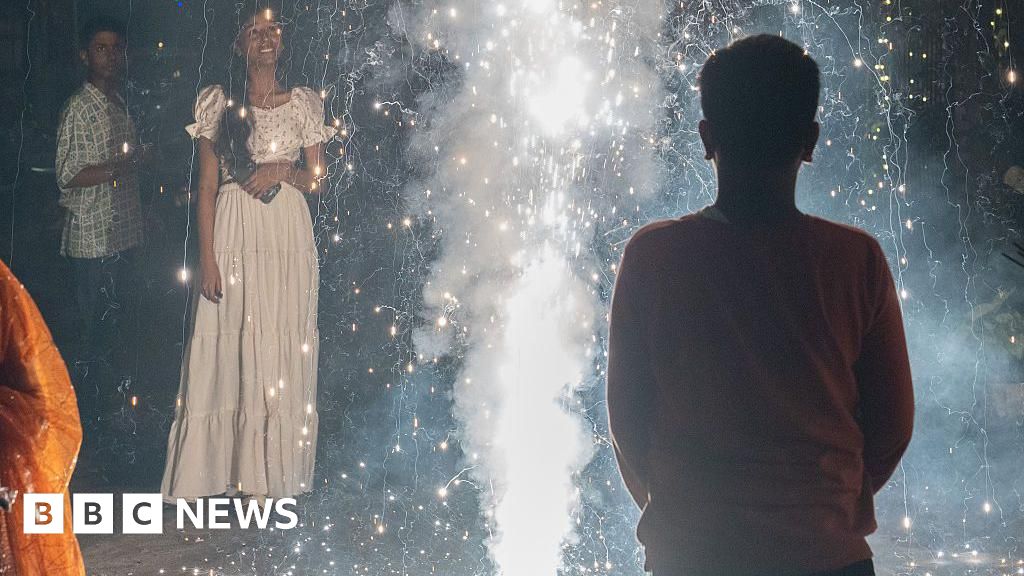
Delhi, India’s capital, has reported a significant decline in air quality following the Diwali festival, despite a court directive aimed at reducing pollution from fireworks. Many residents in the city and surrounding areas ignited firecrackers into the late hours of the night, disregarding the order to use only “green” fireworks, which are supposed to be less harmful.
The Air Quality Index (AQI) in Delhi reached 360 on the day after Diwali, according to government data. An AQI reading of 360 falls into the “very poor” category, which is defined as a range between 301 and 400. In contrast, levels between 101 and 200 are considered moderate, and readings above 400 are classified as “severe”. The World Health Organization recommends a maximum exposure limit of 15 micrograms of PM 2.5 per cubic meter over a 24-hour period. However, Delhi’s air quality in some areas has been reported to exceed this guideline by 24 times.
The seasonal increase in pollution during winter is exacerbated by crop burning in neighboring states and low wind speeds that trap pollutants, including those from firecrackers. While a ban on traditional firecrackers has been in effect since 2020, enforcement has been lax, with many shops still selling them. Recently, India’s Supreme Court allowed a limited use of “green” crackers, but their environmental impact remains a concern.
Reports indicate that, in some parts of the city, visibility was significantly reduced due to smog, creating adverse conditions for residents. In response to deteriorating air quality, officials have implemented additional measures, including restrictions on diesel generators and the burning of coal. Residents have expressed frustration over the persistent pollution, with health experts warning that the recent relaxation of rules could hinder public awareness about air quality risks.
Source: https://www.bbc.com/news/articles/cy8vxl0k15ro?at_medium=RSS&at_campaign=rss