
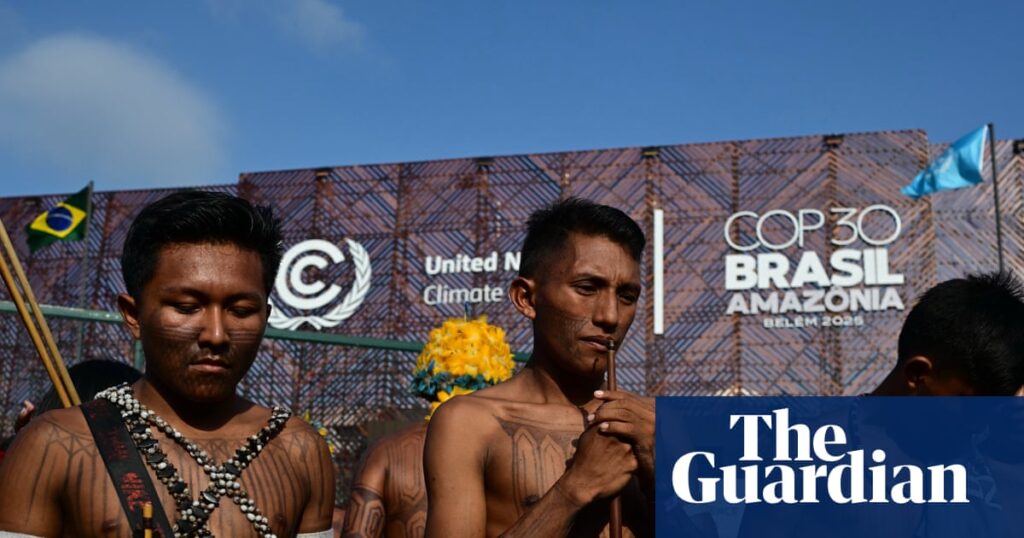
Thousands of diplomats, activists, journalists, and lobbyists are convening in Belém, Brazil for the 30th Conference of the Parties (COP30) climate talks. Brazil was designated as the host three years prior, and there were expectations that the event could mark a significant moment in addressing climate change, given its historical connection to the birthplace of the global climate movement.
However, there are concerns that this year’s negotiations may not yield significant advancements, echoing disappointments from past conferences. Critics speculate that the event may devolve into a platform for lobbyists and officials, overshadowing genuine climate issues. Developing nations expressed dissatisfaction after the previous COP, labeling its outcomes a “staggering betrayal.”
The COP process has faced criticism for being obstructed by misinformation and ineffective engagement, with some arguing that it has become unwieldy and unable to ensure a viable future. Patrick Galey of Global Witness noted a “lack of urgency,” while former UN officials have deemed the COP framework inadequate for addressing the current phase of climate action, particularly in terms of actual implementation of agreements.
The COP is designed as a consensus-driven forum where all participating nations can voice their concerns. Yet, disparities in representation often skew power dynamics, leading to uneven influence in discussions. Countries with fewer resources struggle to engage effectively, creating barriers to their participation.
Additionally, the presence of fossil fuel lobbyists at COP has raised alarms about their impact on the negotiations, prompting concerns that the discussions prioritize corporate interests over pressing climate objectives. The sheer number of lobbyists reportedly disrupts proceedings and diverts attention away from critical issues faced by vulnerable nations.
While the COP process has made strides, such as agreeing on the 1.5°C target and establishing financial mechanisms, critics emphasize that progress has been slow and insufficient to address existing inequalities and responsibilities related to climate change. The challenges faced by the COP are intertwined with broader social and economic power dynamics on a global scale.
Source: https://www.theguardian.com/environment/2025/nov/15/cop30-was-meant-to-be-a-turning-point-so-why-do-some-say-climate-summit-broken