
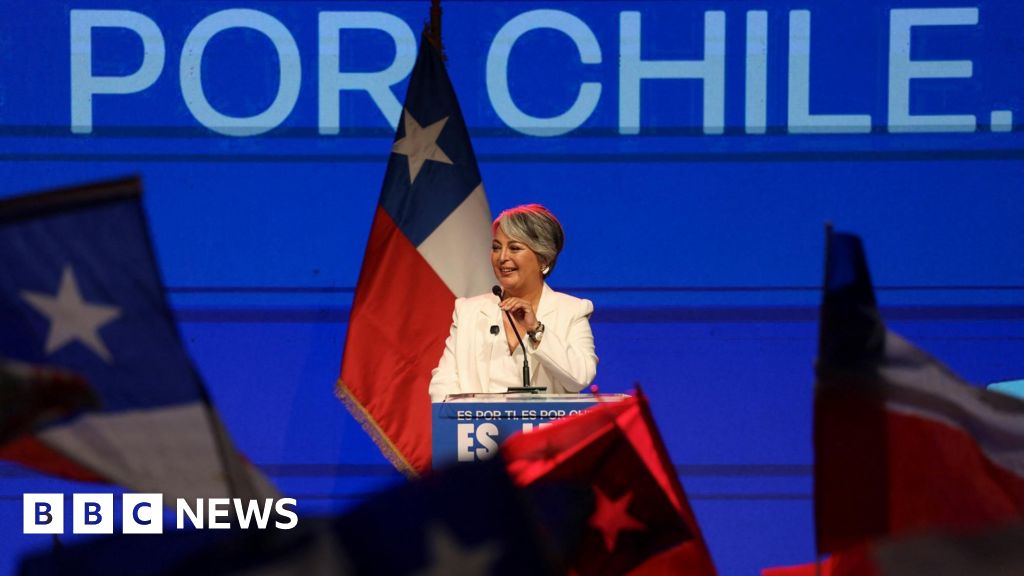
Chile’s presidential election is headed for a run-off in December after no candidate secured an outright victory in the initial round on Sunday. The two finalists are Jeannette Jara from the Communist Party, part of the governing coalition, and the far-right candidate José Antonio Kast. The election campaign predominantly focused on issues of crime and immigration, with heightened concerns over foreign gangs, particularly from Venezuela.
Jara achieved a narrow lead in the first round, followed closely by Kast. Analysts suggest that Kast may benefit from votes of other right-wing candidates who did not progress to the run-off, potentially consolidating support.
The run-off is scheduled for December 14, where voters will choose between Jara and Kast. Kast, a conservative lawyer and former congressman, previously ran for president in 2021 but lost. He advocates for a stringent immigration policy, including a proposal for a “border wall” and mass deportations of undocumented migrants. His political platform also opposes abortion in all cases and seeks to diminish the role of the state.
Jara, often viewed as a center-left candidate despite her affiliation with the Communist Party, formerly served as a minister in President Gabriel Boric’s administration. Her campaign includes plans to increase lithium production, raise the minimum wage, and enhance border security through military deployment.
Both candidates have emphasized their intentions to address rising crime and immigration issues. The migrant population in Chile has surged since 2017, with over 1.9 million recorded, including many from Venezuela. There are claims regarding immigration’s impact on crime, although studies indicate that immigrants, on average, commit fewer crimes than native Chileans.
This election is notable as it marks the first instance of automatic voter registration for all eligible voters in Chile, with voting being compulsory.
Source: https://www.bbc.com/news/articles/c0jd0v8dvpwo?at_medium=RSS&at_campaign=rss