
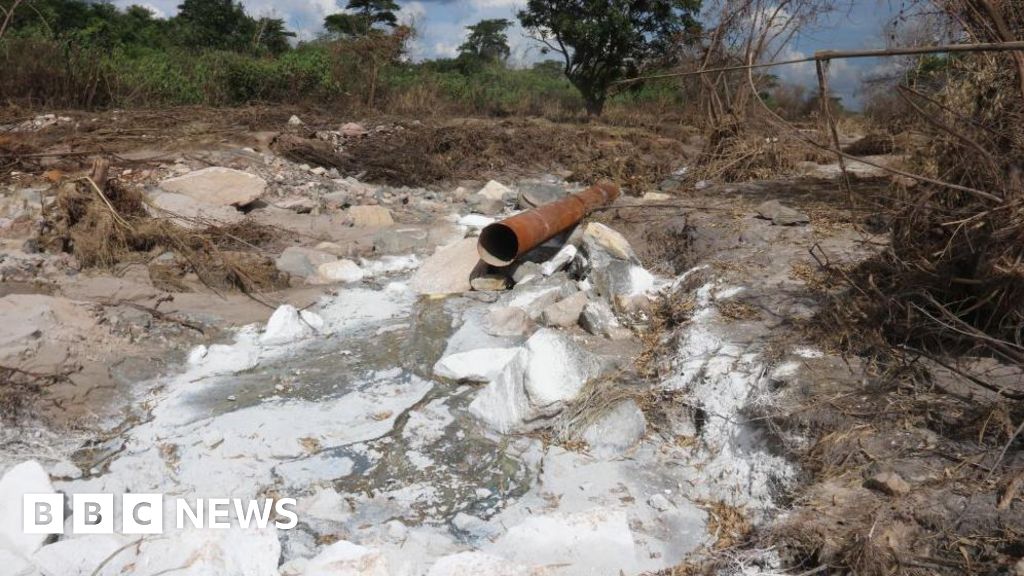
Farmers in Zambia have initiated an $80 billion lawsuit against two companies linked to Chinese interests, citing an ecological disaster stemming from the collapse of a dam that stored copper mining waste. This incident occurred in February and resulted in the release of millions of liters of highly acidic material into local waterways, leading to significant harm to fish populations, rendering water undrinkable, and damaging crops.
The lawsuit is considered one of the largest environmental legal actions in Zambia’s history and alleges that around 300,000 households in the affected copper-mining area are impacted. A group of 176 farmers has filed legal documents in the High Court in Lusaka on behalf of their community. They claim that the tailings dam collapse, owned by Sino Metals Leach Zambia but situated on land operated by NFC Africa Mining, was due to engineering failures, construction flaws, and operational mismanagement.
While the firms involved have not publicly responded to the lawsuit, Sino Metals Leach Zambia previously reported that approximately 50,000 cubic meters of material were spilled. The company stated it took prompt action to control the release once detected. According to the farmers, they only realized the water’s toxicity several days after the incident, leading to health risks as residents reported symptoms such as blood in urine and chest tightness.
The farmers are requesting that the two companies deposit $80 billion into a Zambian government-managed account for environmental reparations and compensation. They are also demanding the establishment of an emergency fund of $20 million for immediate relief to those affected and for health and environmental assessments. In August, the US embassy issued a health alert due to concerns over widespread contamination, resulting in the withdrawal of personnel from the nearby city of Kitwe. However, a Zambian government spokesperson stated that there were no serious public health risks at that time.
Source: https://www.bbc.com/news/articles/cy7p51l60rro?at_medium=RSS&at_campaign=rss