
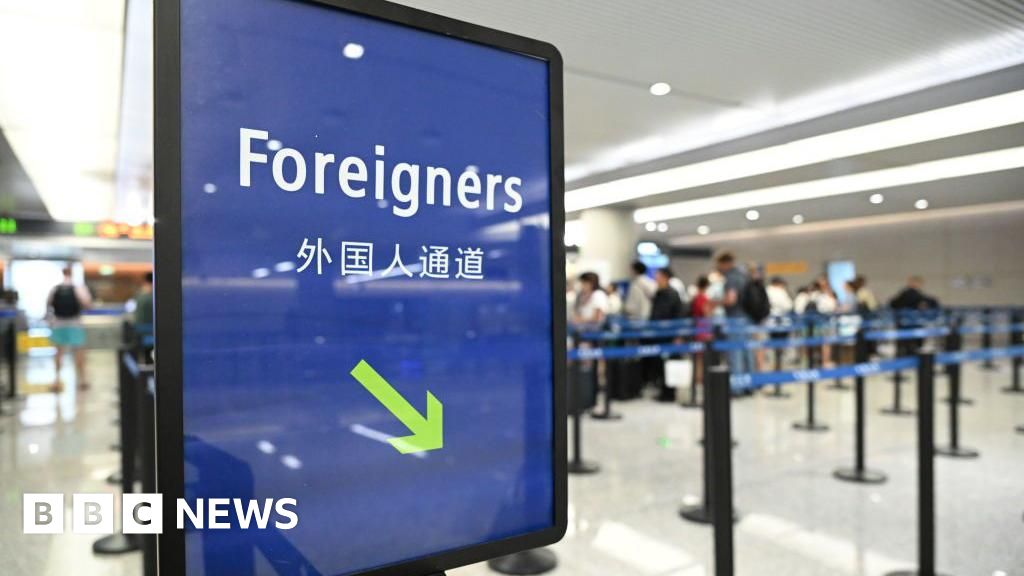
China recently introduced a new visa, the K visa, aimed at foreign professionals in science and technology. This initiative, announced in August and effective as of last Wednesday, gained notable attention following comments from an Indian outlet likening it to the US H-1B visa, which facilitates skilled worker employment in the United States.
The K visa’s introduction stirred public concern in China about potential competition in the job market, where many fear increased foreign presence may exacerbate an already challenging employment landscape. This apprehension has been amplified by the fact that China has not historically been a major destination for skilled foreign professionals.
While the specifics of the K visa remain somewhat vague, it is intended for individuals with STEM qualifications from reputable universities and is reportedly designed to streamline entry into China for specific educational and business engagements. Notably, applicants will not need local employer sponsorship, which differentiates the K visa from traditional work permits. However, it remains unclear if the visa allows foreigners to work in China or merely facilitates their entry.
Public discourse around the visa has largely been critical, with many questioning the necessity of attracting foreign talent amid domestic oversupply in higher education credentials. Some social media comments reflect broader societal apprehensions, including fears related to adaptation and integration within China’s socio-political environment. There have also been instances of xenophobic rhetoric, particularly aimed at Indian nationals.
Given these tensions, state media have intervened, advocating for the visa as a means to demonstrate China’s openness to global talent. However, questions around its actual impact on employment and creativity within the tightly regulated Chinese system persist, raising considerations about the potential for foreign professionals to thrive in this context.
Source: https://www.bbc.com/news/articles/cvg4eeerzrwo?at_medium=RSS&at_campaign=rss