
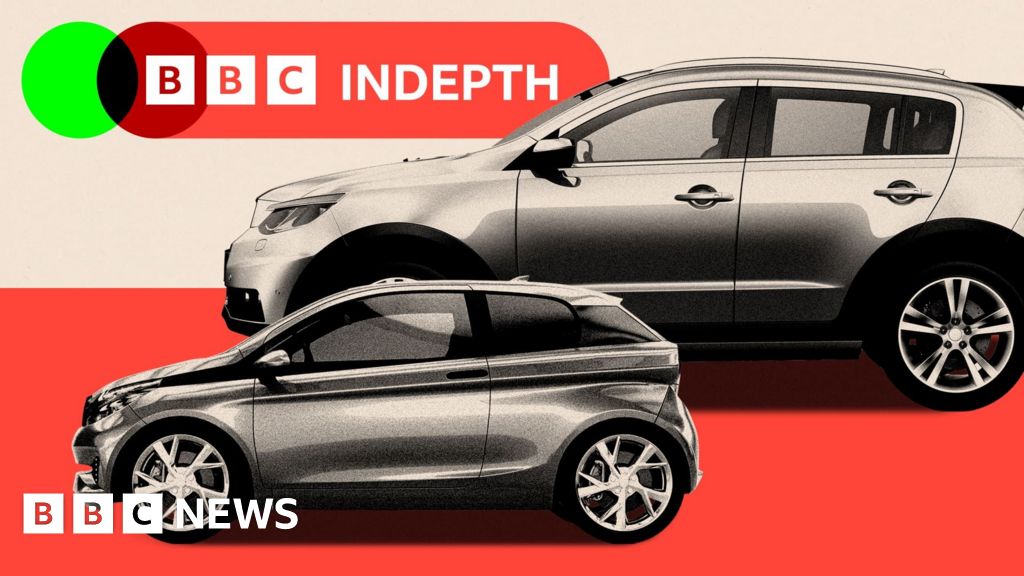
In recent years, the trend of increasing vehicle sizes has led to discussions about the implications for both urban environments and road safety. In Europe and the UK, cars have been steadily becoming longer, wider, and heavier, a phenomenon often referred to as “carspreading.” As large vehicles are seen as practical and stylish by consumers, their popularity has soared. However, some cities, including Paris, are implementing measures to mitigate the impact of big cars on traffic and pollution.
Paris has adopted strategies such as low-traffic zones and increased parking fees for “heavy” vehicles. Following a public vote, parking costs for heavy vehicles rose significantly, with a one-hour stay costing €18, up from €6. Paris Mayor Anne Hidalgo claims this initiative aims to accelerate the environmental transition and reduce air pollution. Reports indicated that the number of heavy cars parking in the city dropped by two-thirds after the fee increase.
Cities like Cardiff in the UK are beginning to take similar approaches. The Cardiff council plans to increase parking permit costs for cars exceeding 2,400 kg. The rationale is that heavier cars contribute more to road wear, produce higher emissions, and pose a greater risk during collisions.
The rise in the average width and weight of vehicles has been documented, with new car averages increasing from 182 cm to 187.5 cm in width since 2018 in the UK. Some argue that these changes are problematic, as many roads may not accommodate such large vehicles. Urban planners and advocates for road safety voice concerns that the increasing size of cars can lead to greater risks for cyclists and pedestrians.
While larger cars may offer safety and practicality for families, they pose potential hazards to other road users. Critics highlight that larger vehicles are more likely to cause severe injuries in collisions. Additionally, the environmental impact of SUVs and heavy vehicles has raised eyebrows, with findings suggesting that they emit more greenhouse gases than smaller cars, undermining advances in fuel efficiency and emissions reduction.
As discussions continue, questions arise about potential regulatory measures similar to those in France, such as higher registration taxes for heavier vehicles, and whether these strategies could encourage consumers to opt for smaller cars in urban settings.
Source: https://www.bbc.com/news/articles/cy7vdvl2531o?at_medium=RSS&at_campaign=rss