
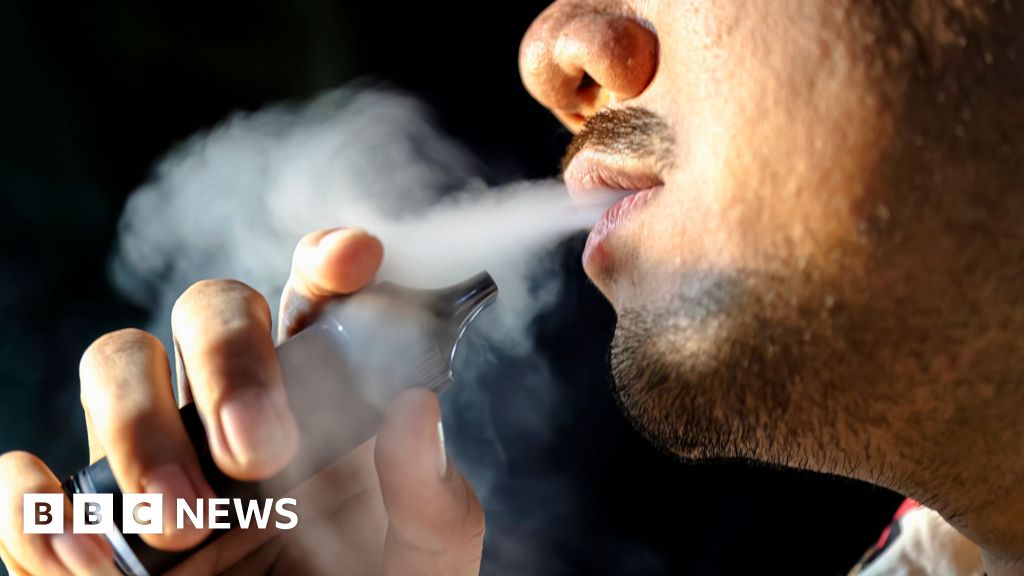
Singaporean authorities have announced new measures aimed at reducing the use of drug-laced vapes, increasing penalties associated with vaping amid growing concerns. These measures include elevated fines, extended jail terms, and the potential for corporal punishment, particularly for suppliers of drug-laced products. Foreign nationals caught violating these laws risk deportation alongside penalties for their actions.
Vaping was banned in Singapore in 2018, yet its use has remained prevalent, especially with the rising popularity of vapes containing etomidate, an anesthetic. Known in Singapore as Kpods—short for “ketamine pods”—these vapes have raised public alarm, leading to heightened scrutiny from authorities. In a recent assessment of 100 seized vapes, one-third were found to contain etomidate. Social media has also played a role in raising concerns, with videos depicting young individuals exhibiting erratic behavior after using these products going viral.
Health Minister Ong Ye Kung stated that the new laws are necessary to address the rise of vapes as conduits for severe substance abuse. Under the new rules, which will take effect on 1 September, individuals found vaping may incur fines starting at S$500 (approximately $390) and will be mandated to undergo rehabilitation. Severe penalties await those caught with etomidate-laced vapes, and suppliers could face up to 20 years in prison and corporal punishment.
Additionally, these regulations extend to tourists and will be accompanied by public health campaigns to educate and inform the population about the dangers of vaping. Disposal bins for vapes have been set up in various venues, including schools and community clubs, and patrols have been initiated to enforce the ban. Singapore’s actions reflect a broader trend, as countries like the UK and Australia have also implemented stringent measures to combat vaping among youth.
Source: https://www.bbc.com/news/articles/cz60z98nzx7o?at_medium=RSS&at_campaign=rss