
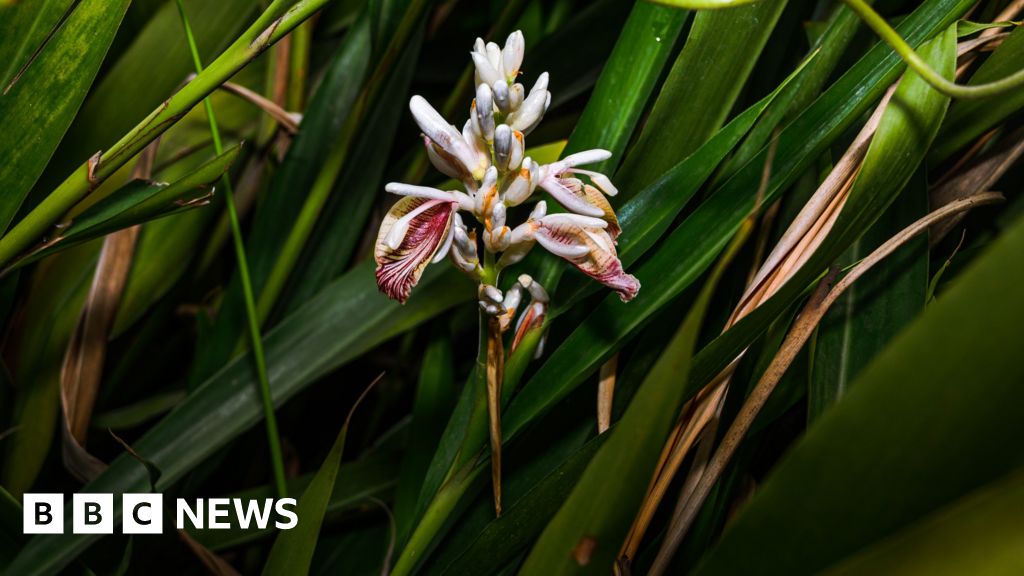
Cardamom is recognized for its complex flavor but is considered a challenging crop to cultivate, according to Stanley Pothan, a farmer from Kerala, India. He notes that cardamom plants are vulnerable to diseases, pests, and harsh weather conditions. Last year’s heat led to substantial crop losses, impacting both local and global production.
This decline contributed to a 70% increase in cardamom prices in India, reaching 1,178 rupees ($13) per kilogram. Notably, cardamom has traditionally been the third most expensive spice, after saffron and vanilla. Farmers are interested in increasing production; however, unpredictable weather patterns can significantly affect outcomes.
The Indian Cardamom Research Institute (ICRI) is addressing these challenges through various initiatives focused on crop improvement and technology transfer. A mobile app has been developed to assist farmers in monitoring soil health and managing crops effectively. Dr. A.B. Rameshwari from ICRI emphasizes the importance of integrating technology in farming practices.
In addition to these efforts, researchers at Kerala Agricultural University are working on developing hardier cardamom varieties that can withstand disease and adverse environmental conditions. They have made progress in identifying a variety that requires less water and are investigating genetic markers to enhance yield and resilience.
Furthermore, drying the harvested pods is an essential step in cardamom farming. Smaller farmers initially struggled with this task due to high costs. However, social enterprises like Graamya offer affordable alternatives through heat-pump dryers, thereby improving product quality.
Some farmers are transitioning to organic farming despite the difficulties. Mathews Geroge, a former banker turned farmer, initially faced setbacks but eventually adopted traditional Indian cultivation methods, which have brought more success in his operations.
Ultimately, the labor-intensive nature of cardamom harvesting remains unchanged, with skilled labor primarily sourced from women. Analysts suggest that while mechanization is possible in some areas, key processes such as harvesting will likely continue to rely on human skill and knowledge.
Source: https://www.bbc.com/news/articles/cn0g2xxnrj3o?at_medium=RSS&at_campaign=rss