
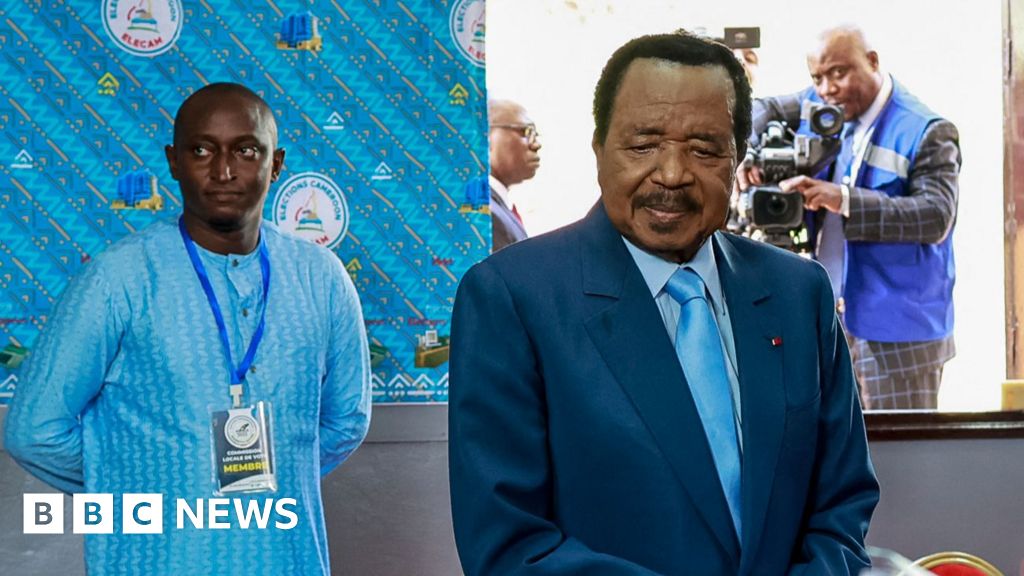
In Cameroon, President Paul Biya, aged 92, has been declared the winner of a disputed eighth term in office, receiving 53.7% of the votes in the election held on October 12. His main opponent, Issa Tchiroma Bakary, garnered 35.2%. The Constitutional Council announced the results amid allegations of electoral malpractice, with Tchiroma Bakary contesting the outcome and claiming he had secured victory.
The election process has been marked by significant violence, with protests erupting in various cities. Reports indicate that at least four individuals were killed in Douala during demonstrations over the election results. Confrontations between Tchiroma Bakary’s supporters and security forces have also been reported in the north, particularly near Tchiroma Bakary’s residence in Garoua, where multiple civilians were reportedly shot.
Voter turnout for the election was about 58%, and in total, ten candidates competed for the presidency. Following the election, the Constitutional Council rejected at least ten petitions alleging electoral irregularities. The unrest has prompted businesses and schools in the capital, Yaoundé, to close, indicating a tense atmosphere in the region.
President Biya, in power since 1982, has not addressed the public following his reelection, while his party has celebrated the victory as a sign of hope. However, his leadership is accompanied by challenges, including high unemployment rates among young people, a protracted separatist insurgency, and restrictions on freedom of speech.
Analysts have expressed concern about potential political instability if the election results do not align with the populace’s sentiment, with calls for a national mediation to prevent further escalation in tensions.
Source: https://www.bbc.com/news/articles/cdx45zln4qvo?at_medium=RSS&at_campaign=rss