
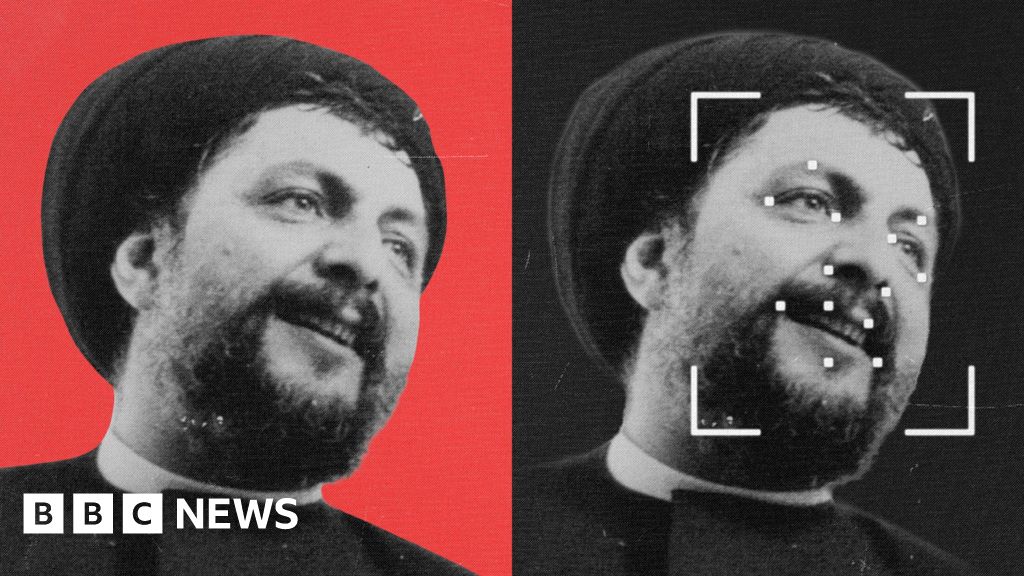
A computer scientist at Bradford University, Prof. Hassan Ugail, is analyzing an image of a corpse to potentially identify Musa al-Sadr, a significant figure in Shia Islam who has been missing since 1978. The photo, taken in a secret Libyan mortuary by a journalist in 2011, raises questions about Sadr’s fate. Some believe he was killed, while others contend he remains alive.
Sadr’s followers consider him a pivotal leader who represented the marginalized Shia community in Lebanon and promoted interfaith dialogue. His disappearance is likened to the event surrounding the assassination of U.S. President John F. Kennedy in its emotional impact.
On August 25, 1978, Sadr flew to Libya to meet with then-leader Muammar Gaddafi, expressing concerns about the Lebanese civil war and seeking Gaddafi’s intervention for the civilians. He was last seen being driven away from a hotel but never reemerged. Various accounts suggest that Gaddafi’s regime may have been involved in covering up Sadr’s fate.
In 2011, Kassem Hamadé, a Lebanese-Swedish reporter, discovered a mortuary with bodies that had been preserved for decades, one of which showed similarities to Sadr’s profile. Analysis of the corpse’s skull suggested possible execution, prompting further investigation.
To ascertain the body’s identity, the mortuary image was compared using advanced facial recognition software. The results indicated a “high probability” that the corpse belonged to Sadr, although any definitive identification remains unverified due to missing evidence such as hair samples intended for DNA testing.
Mixed views persist regarding Sadr’s status, with some factions maintaining he remains imprisoned in Libya. Requests for comments from the Libyan authorities and Sadr’s political party, Amal, have gone unanswered. The case continues to evoke strong emotional responses and conspiracy theories, reflecting the significant cultural and historical implications of Sadr’s life and disappearance.
Source: https://www.bbc.com/news/articles/clyr1qr529xo?at_medium=RSS&at_campaign=rss