
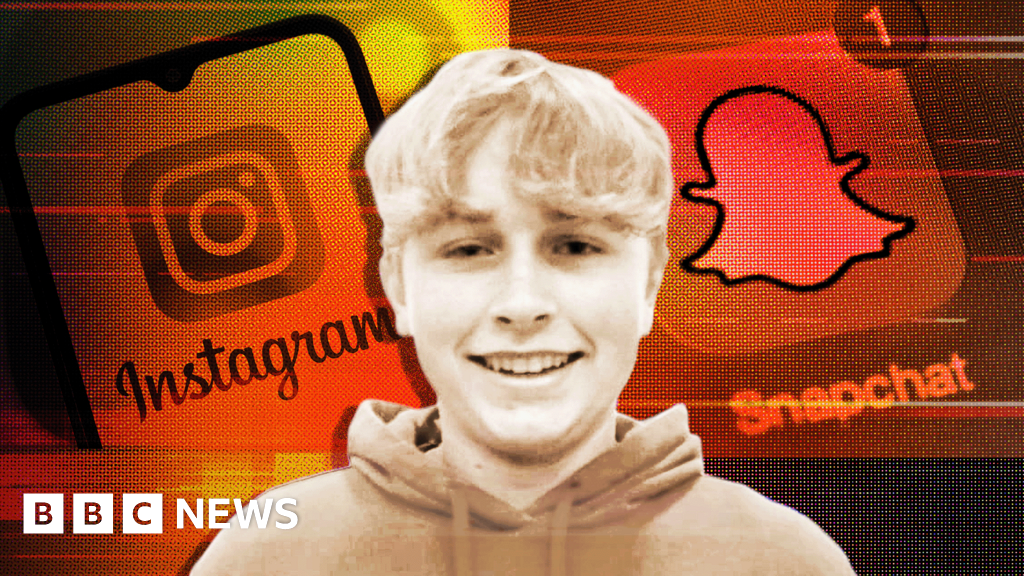
Evan Boettler, a 16-year-old from Missouri, received a threatening message on social media that led him to take his own life. The message came from someone he believed to be a young girl, but was in fact a cyber-scammer. This incident highlights a growing concern known as sextortion, where scammers trick individuals into sharing intimate images, subsequently threatening to release them unless a ransom is paid.
Evan’s parents describe him as a bright and active teenager who enjoyed fishing, sports, and hunting. After Evan was contacted on Snapchat by a person posing as “JennyTee60,” he shared explicit photos and was soon blackmailed for money. The family expressed their confusion and devastation over the events that led to his death. Nearly two years later, they have encountered difficulties obtaining information from social media platforms regarding the scammer, as companies like Meta require court orders for data release.
Investigating further, a digital trace was left by the scammer’s demand for Evan’s Facebook login, which revealed an IP address leading to multiple locations in Nigeria. In Lagos, many scammers operate in impoverished conditions, often referred to as “Yahoo Boys,” targeting individuals in countries like the U.S. and UK. One scammer, Ola, explained the process including creating fake female profiles to lure victims.
The problem is pervasive. Reports of sextortion to the FBI have surged in recent years, with the National Crime Agency in the UK also noting a significant number of monthly reports. Parents of victims, like Brandon Guffey, whose son also died by suicide following a sextortion attempt, criticize social media companies for insufficient responses to these threats. Meta states it has taken down many accounts involved in sextortion but struggles to eradicate the problem entirely.
Meanwhile, tools like the Internet Watch Foundation’s “Report Remove” service aim to help victims, allowing them to report and remove unwanted images, although challenges remain in addressing the issue comprehensively.
Source: https://www.bbc.com/news/articles/czrpedexleno?at_medium=RSS&at_campaign=rss