
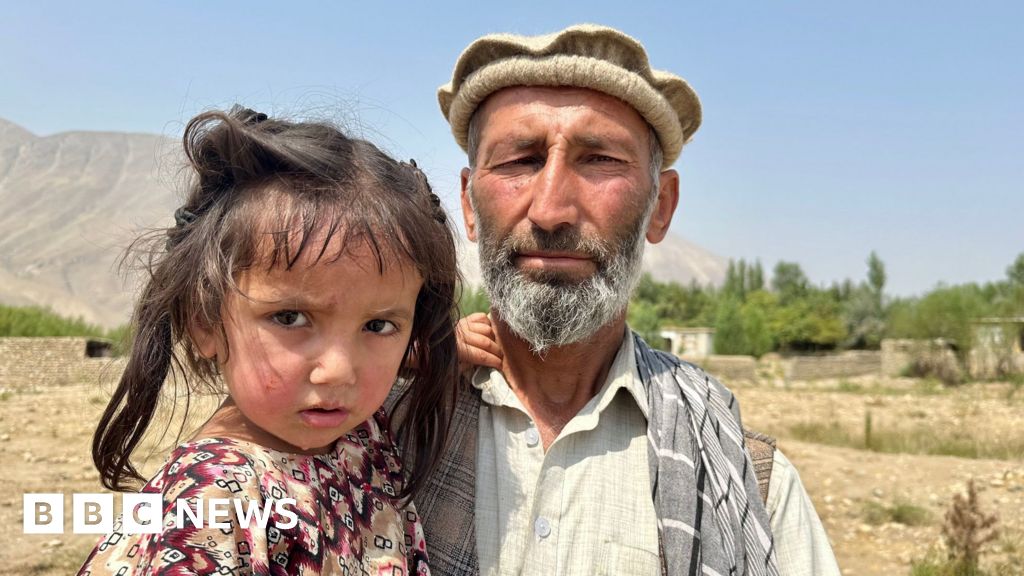
Abdul Wakeel faced a dire situation when his wife, Shahnaz, went into labor. He called for a taxi to the nearest medical facility in Shesh Pol, Badakhshan province, only to find it closed upon arrival. This clinic was one of over 400 healthcare facilities that have shut down in Afghanistan following significant cuts to U.S. aid earlier this year, which affected support for maternal health programs.
Before the aid cuts, the Shesh Pol clinic had a trained midwife and managed around 25-30 deliveries monthly, offering essential services to a community with limited access to healthcare. The driving distance to other facilities posed risks due to poor road conditions and financial constraints. Abdul had already spent about 1,000 Afghani ($14.65) on the taxi, a substantial portion of his monthly income as a laborer.
Tragically, Shahnaz gave birth in the vehicle on their way home after finding the clinic closed. Sadly, both mother and baby later died, which raises critical questions about the impact of the clinic’s closure on maternal outcomes.
The U.S. government cut aid citing concerns over funding reaching the Taliban, claiming some U.S. taxpayer money inadvertently supported the group. However, Taliban officials reject these claims and state that aid is distributed through NGOs and the UN, without their direct involvement. The Taliban’s restrictive policies on women also contribute to the ongoing healthcare crisis and have led to diminished international recognition and support.
The closure of clinics has resulted in increased pressure on healthcare facilities in provincial capitals, where overcrowding is now severe. Reports indicate a spike in maternal and newborn mortality rates, with hospital capacities far exceeding their limits.
Medical professionals and midwives are overwhelmed, facing severe shortages that further jeopardize maternal health. Moreover, training for women in healthcare roles has been curtailed, significantly impacting future maternal care.
As the situation unfolds, the status of women’s rights and healthcare in Afghanistan remains precarious, with rising concerns regarding accessibility and safety.
Source: https://www.bbc.com/news/articles/ckgqdneev1no?at_medium=RSS&at_campaign=rss