
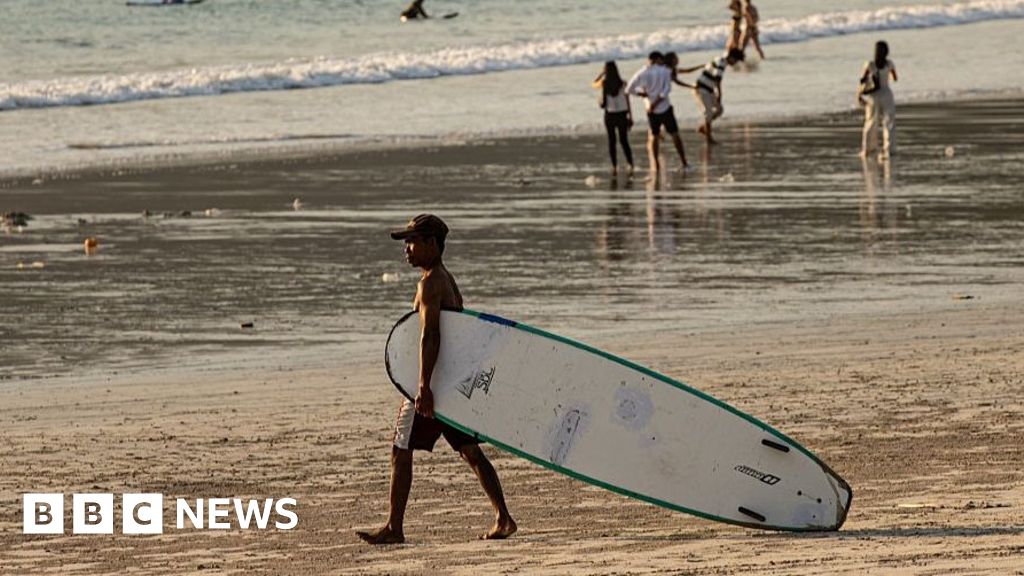
Lombok, an Indonesian island near Bali, is gaining attention as a potential tourist destination, reminiscent of Bali’s established allure. Historically less frequented by Western travelers, Lombok offers scenic beauty with its azure beaches and hiking opportunities, notably at Mount Rinjani. The Indonesian government aims to transform Lombok into a substantial tourist hub, termed “Balification,” a strategy to replicate Bali’s success.
Mandalika, located on Lombok’s southern coast, has been designated as the center of this transformation. The area has seen developments, including resorts and a racetrack that hosted a motorcycle Grand Prix this month, drawing nearly 150,000 spectators. However, this progress came at a cost; many locals were evicted from their homes to make way for new constructions. Damar, a local surf guide who experienced eviction, expressed frustration at the government’s handling of the situation and noted the limited opportunities available to displaced families.
Despite the controversies, tourism appears promising for Lombok. In 2022, about 81,500 foreign visitors arrived, a 40% increase from the previous year, although still significantly behind Bali’s 6.3 million. Authorities have secured substantial investments, including a $250 million loan from the Asian Infrastructure Investment Bank, for the island’s development.
However, the push for modernization has raised concerns among locals about their cultural identity and the impact of rapid development on the environment. Reports of tensions involving eviction processes and the potential for diminished local charm have emerged. UN human rights experts have pointed to significant displacements in the region, calling attention to the economic growth plans that might infringe on local livelihoods.
As Lombok embarks on this transformative journey, questions remain regarding the balance between economic development and the preservation of its unique culture and environment.
Source: https://www.bbc.com/news/articles/c5yp87ppk7eo?at_medium=RSS&at_campaign=rss