
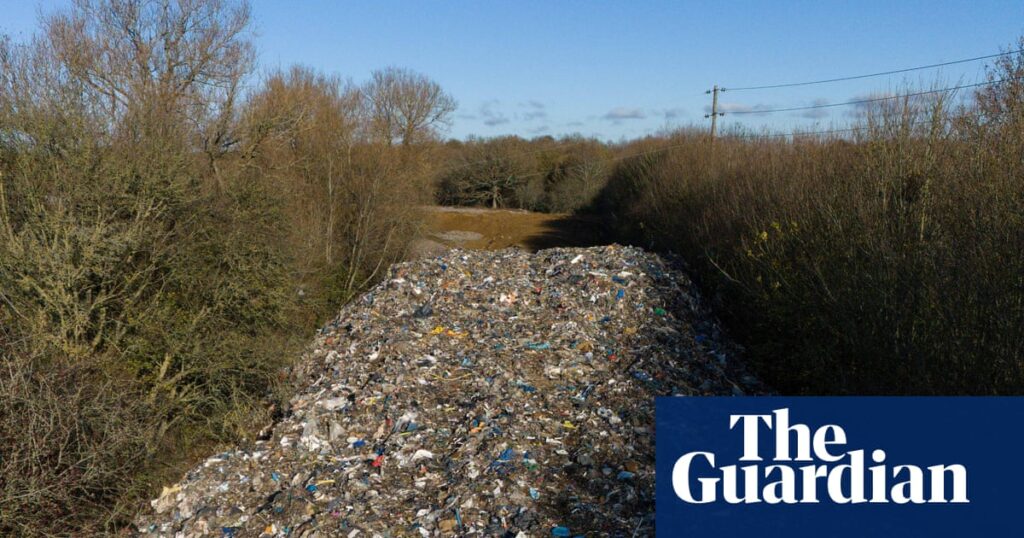
Recent research estimates that the UK has at least 8,000 illegal waste sites, collectively containing around 13 million tonnes of rubbish. This situation has resulted in an estimated avoidance of £1.63 billion in landfill taxes, according to data analysis from satellite company Air & Space Evidence, which was shared with various media outlets.
Experts express concern about the implications of these illegal dumping activities. Prof. Kate Spencer, a landfill expert at Queen Mary University of London, notes that bypassing landfill tax also means avoiding regulations designed to protect communities and the environment. Consequently, there is a risk of pollutants contaminating local rivers and soil, and illegal waste disposal can negatively affect residents through issues like unpleasant odors and unsightly litter.
The Environment Agency (EA) reported that it shut down 743 illegal waste sites in England in the fiscal year 2024-2025 and is currently investigating 1,143 ongoing illegal dumping cases. However, Air & Space Evidence suggests that the EA has not utilized its intelligence tools effectively to identify illegal sites, with some officials allegedly lacking interest in adopting these resources.
The problem appears systemic. A recent House of Lords report criticized the EA for its slow response to public concerns and highlighted deficiencies in prosecuting waste crime. For instance, a significant incident at Hoad’s Wood in Kent involved the illegal dumping of 35,000 tonnes of rubbish, leading to substantial cleanup costs for taxpayers.
Despite existing legal frameworks, challenges in identification and resource allocation hinder effective regulation, raising questions about accountability for cleanup costs. Experts argue that the current landfill tax structure may be inadvertently contributing to the escalation of this issue, with revenues not covering the extensive costs of remediation.
An EA spokesperson acknowledged the seriousness of illegal waste dumping and outlined ongoing efforts to combat it, including increasing personnel dedicated to waste crime. Nonetheless, community members often feel disillusioned by the lack of action regarding illegal sites, which may lead to reduced reporting of such activities.
Source: https://www.theguardian.com/environment/2025/nov/29/waste-sites-landfill-rubbish-uk-research