
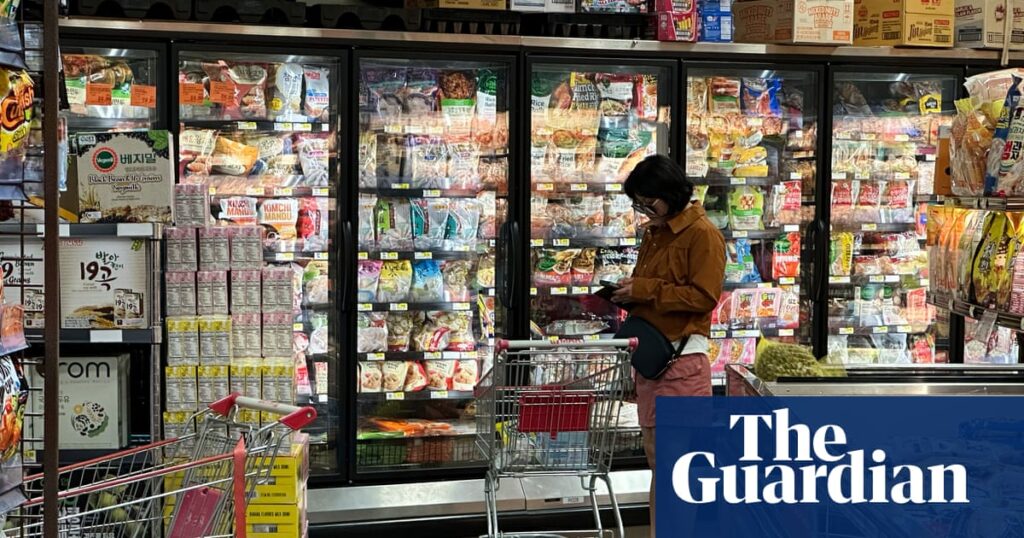
The current state of the U.S. economy is marked by rising prices and a slowdown in job growth, leading some to raise concerns about a possible return to stagflation, a term last prevalent in the 1970s. Stagflation refers to stagnant economic growth alongside inflation, suggesting that while production and employment levels decrease, prices continue to rise. Economists are wary that this combination can be more damaging than a recession.
Historically, the U.S. experienced its last prolonged stagflation during the 1970s oil crisis, when inflation surged due to rising oil prices at a time when unemployment also increased. Presently, although the economy is not officially in stagflation, recent trends show it is edging closer to this scenario. For instance, after the introduction of tariffs by the Trump administration, initial job growth figures appeared stable but were later revised downward by 258,000 for earlier months, indicating a decline in hiring.
Inflation rates also saw a resurgence, with annualized inflation hitting 2.9% in August, the highest since January. This contradicts earlier expectations that inflation would continue to ease. Forecasts for economic growth have also been adjusted downward due to policy implementations and their inconsistencies.
Contributing factors include the Trump administration’s immigration policies, which have reduced the workforce supply and raised hiring costs, alongside tariffs that pressure companies to pass costs onto consumers. With shifting economic dynamics, investors are hopeful for interest rate cuts by the Federal Reserve, although uncertainty looms over the economy’s trajectory.
Federal Reserve Chair Jerome Powell noted that the current labor market reflects a balance between supply and demand, albeit a slowed one. If inflation continues to escalate while job growth stagnates, the risk of entering stagflation could increase, potentially leading to greater economic hardships for Americans. Recent estimates also suggest that tariffs could lead to an increase in poverty levels, further complicating the economic landscape.
Source: https://www.theguardian.com/business/2025/sep/13/stagflation-economy-trump