
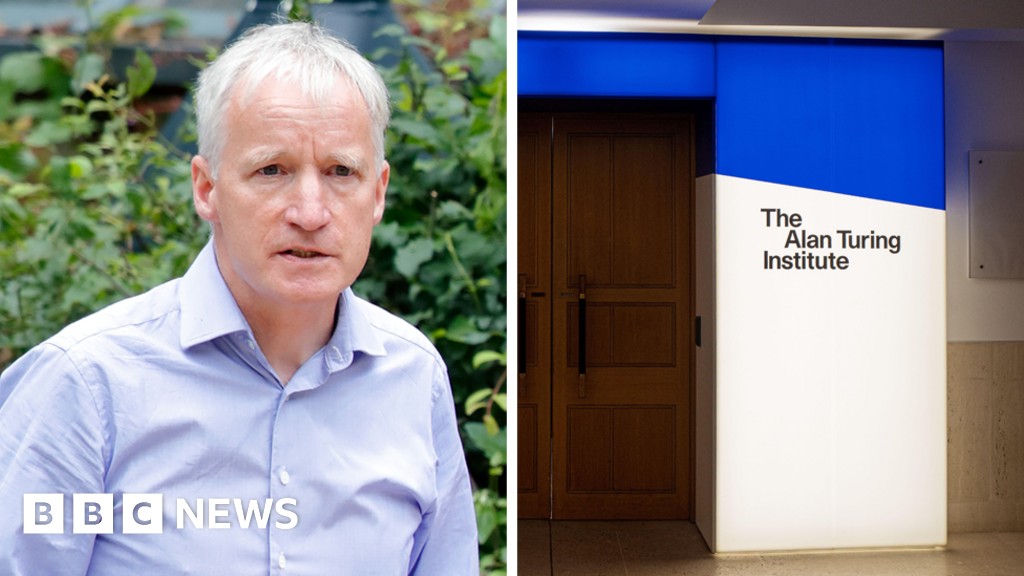
The Chair of The Alan Turing Institute, Dr. Doug Gurr, spoke to the BBC regarding serious accusations that surfaced in August. Whistleblowers claimed that the leadership misused public funds, promoted a toxic internal culture, and failed to fulfill the Institute’s mission. They noted that the organization, which serves as the UK’s national body for artificial intelligence (AI), was facing potential collapse after then-technology secretary Peter Kyle threatened to withdraw £100 million in funding.
Dr. Gurr emphasized that an independent investigation conducted by a third party found no substance to the whistleblower claims. He acknowledged the difficulties during transitional periods and stated that all raised concerns had been investigated without substantiation. However, the specific third party involved in the investigation was not disclosed.
The Institute is experiencing leadership changes, with three senior directors, including the chief technology officer and chief executive, having recently departed. It is also under investigation by the Charity Commission, and Dr. Gurr did not indicate any intention to resign if issues were found. He expressed pride in the organization’s achievements during his tenure.
While Dr. Gurr recognized the challenging nature of this period for staff, he claimed the Institute is now “match fit.” He highlighted the UK’s exceptional talent and data sets, encouraging a focus on significant areas, while acknowledging prior criticism from staff but refraining from an apology. The Institute plans to emphasize defense research but will also pursue projects in environmental sustainability and health, such as improving weather forecasting and reducing transport emissions.
Questions remain regarding the overlap between the Turing Institute’s new focus and similar initiatives undertaken by other UK agencies and commercial tech firms. Dr. Gurr noted that the defense projects, which include securing the UK’s national infrastructure, were in response to current global security needs. Some whistleblowers, still employed at the Institute, expressed concerns about its reputation, describing recent changes as superficial rather than genuinely transformative.
Source: https://www.bbc.com/news/articles/c9q1xdnydwjo?at_medium=RSS&at_campaign=rss