
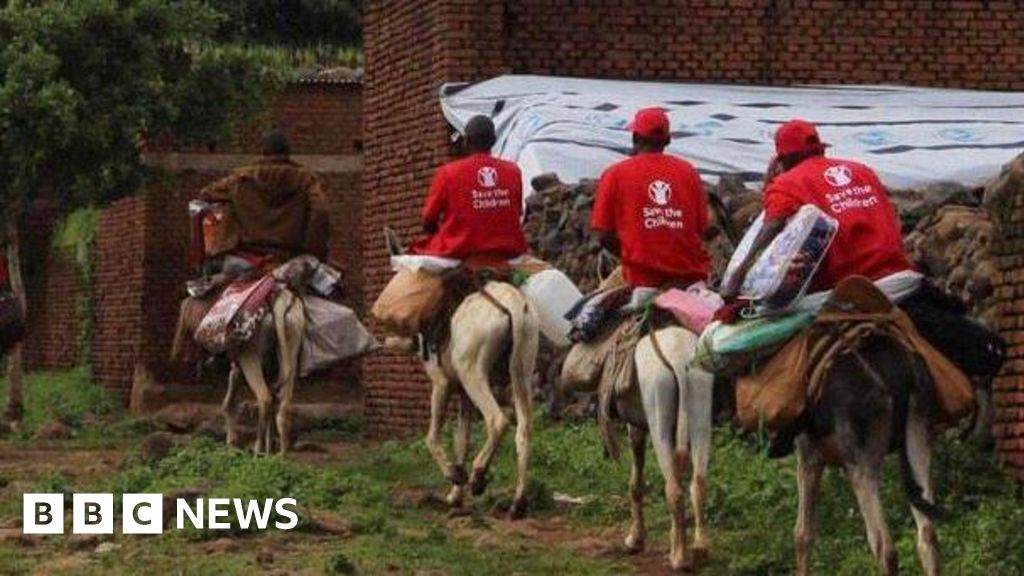
Aid workers have begun delivering humanitarian supplies to survivors of a recent landslide in Tarasin village, located in Sudan’s Darfur region. This landslide, triggered by heavy rains and flash floods, reportedly occurred on a Sunday and has dramatically impacted the local community. Access to the affected area has been hampered, and aid workers have utilized donkeys to transport supplies due to challenging terrain.
Estimates of the death toll from the landslide vary significantly. An armed group managing the area has reported up to 1,000 fatalities, while the local health ministry claims that only two bodies have been recovered. Conversely, local civilian leaders stated that they have buried 370 bodies and mentioned that more victims may be trapped under debris or swept away by floodwaters. Various reports suggest a continuing effort to ascertain the precise number of casualties.
The Sudan Liberation Movement/Army (SLM/A), which governs the area, has remained neutral amid the ongoing civil war in Sudan. Many displaced individuals had sought refuge in the Marra Mountains, where the landslide occurred. The UN’s deputy humanitarian coordinator for Sudan indicated that verifying casualty figures is challenging due to access issues, but an inter-agency assessment is anticipated to clarify the situation.
An emergency team, comprising medical personnel and child protection experts, recently delivered essential supplies, including food, medical supplies, water, and tarpaulins, taking over six hours to reach affected communities. The response includes mobile health clinics to provide immediate medical care, with additional resources being prepared to meet further needs.
Approximately 150 individuals have been displaced from Tarasin and neighboring areas, with families seeking shelter in nearby communities. This disaster exacerbates an ongoing humanitarian crisis in Sudan, where 30 million people require assistance. Heavy rains and flooding have recently impacted at least 21 regions in Sudan, raising concerns over potential disease outbreaks as an unusually wet season is predicted to continue.
Source: https://www.bbc.com/news/articles/cly7zr0lzx0o?at_medium=RSS&at_campaign=rss