
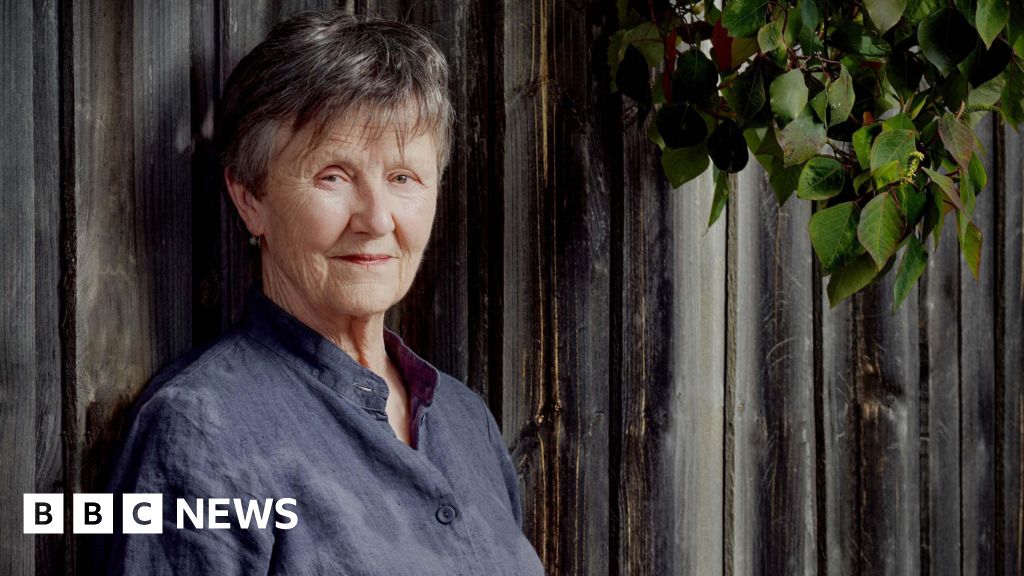
A collection of diaries entitled How to End a Story: Collected Diaries by Helen Garner has won the Baillie Gifford Prize for Non-Fiction, marking the first time a diary collection has received this prestigious award. The book chronicles Garner’s experiences throughout different phases of her life, from her early career in bohemian Melbourne to parenting in the 1970s and coping with a failing marriage in the 1990s.
Garner, an Australian author, is known for her previous works, including The House of Grief, published in 2014, which focused on Robert Farquharson’s trial for the murder of his three sons. Garner’s latest award has drawn attention not only from literary circles but also from influential figures such as writer David Nicholls and singer Dua Lipa, who describe her work as a significant discovery.
Robbie Millen, the chair of judges for the prize, noted that How to End a Story emerged as the unanimous selection due to its blend of the intimate, intellectual, and everyday. Millen remarked on Garner’s keen observational skills, emphasizing that each page provides engaging thoughts. In the review published in the Observer, Rachel Cooke compared Garner’s diaries to Virginia Woolf’s, asserting their importance in contemporary literature.
This recognition represents Garner’s first notable award in the UK, where she has started to gain increased visibility following the publication of three of her works last year. The Baillie Gifford Prize, which rewards outstanding non-fiction writing and is open to authors worldwide, includes a £50,000 award for Garner, with other shortlisted authors receiving £5,000 each.
The shortlist featured a diverse range of works, including titles by Jason Burke, Richard Holmes, Justin Marozzi, Adam Weymouth, and Frances Wilson, covering topics such as historical extremism, biography, and the history of slavery. Selection was made from over 350 books published within a specific timeframe, raising the question of what factors contribute to a book’s recognition in such a competitive field.
Source: https://www.bbc.com/news/articles/c231r4984kko?at_medium=RSS&at_campaign=rss