
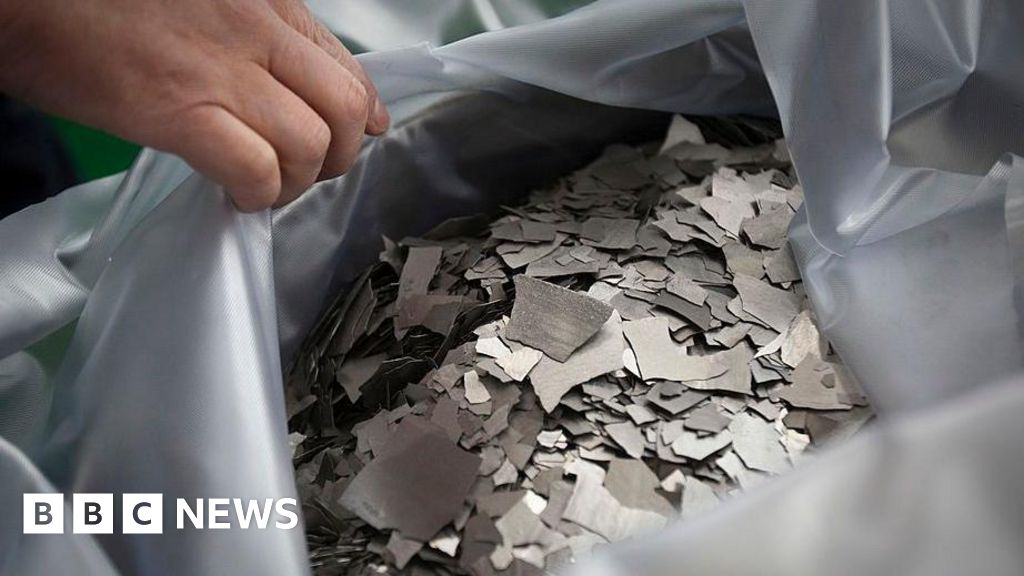
China has recently implemented stricter regulations governing the export of rare earth elements, which are essential for the production of various high-tech devices. The new guidelines issued by the Ministry of Commerce formalize existing protocols related to processing technologies and prohibit unauthorized collaborations with overseas entities.
Under these regulations, China is expected to restrict exports to foreign arms manufacturers and certain semiconductor companies. The export of technology for mining and processing rare earths, as well as for manufacturing magnets, now requires government approval. Some technologies had already been restricted in earlier revisions, particularly in April, which resulted in a significant shortage of these critical materials. The latest announcement indicates a high likelihood that licenses will not be granted to arms manufacturers or specific firms in the chip sector.
Additionally, domestic Chinese companies are prohibited from collaborating with foreign firms on rare earth projects without obtaining prior government consent. The Chinese government has faced accusations from the United States and other Western nations of enabling Russia’s military efforts through dual-use technology exports, which include materials that can be utilized for both civilian and military purposes. China has denied these allegations.
The newly introduced rules specify restricted technologies, including processes for mining, smelting, separation, manufacturing magnetic materials, and recycling. It also prohibits the export of production equipment maintenance and upgrading without official approval. This regulatory shift may significantly affect the United States, which maintains a notable rare earth mining sector but lacks sufficient processing capabilities.
Rare earth elements, while naturally occurring in abundance, are termed “rare” due to the difficulty of extraction and the hazardous nature of the process. China holds a dominant position in the global rare earth market, accounting for approximately 61% of production and 92% of processing, according to the International Energy Agency (IEA).
Source: https://www.bbc.com/news/articles/ckgzl0nwvd7o?at_medium=RSS&at_campaign=rss