
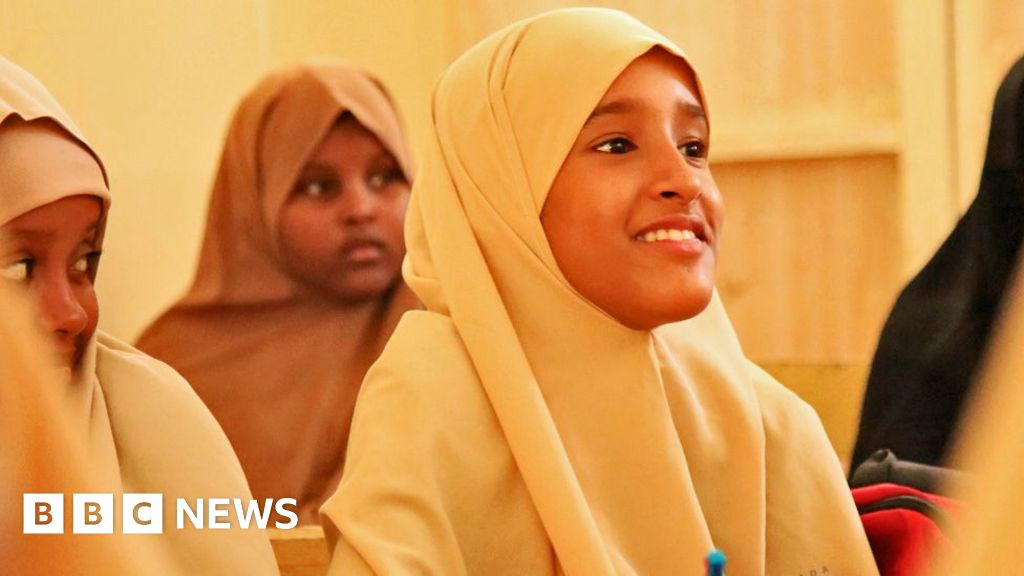
Somalia is set to incorporate Swahili, a widely spoken lingua franca of East Africa, into its national curriculum, as announced by President Hassan Sheikh Mohamud. Currently, English serves as the primary language of instruction in secondary schools, while Arabic is the only other mandatory second language.
This decision was made at a summit of the East African Community (EAC) held in Mogadishu. Somalia joined the EAC last year, aiming to enhance economic growth after enduring three decades of conflict. With over 200 million speakers, Swahili ranks among the ten most spoken languages globally. President Mohamud emphasized the importance of adopting Swahili in schools and universities, particularly at the Somali National University, to facilitate regional integration.
Education Minister Farah Sheikh Abdulkadir echoed the president’s sentiments, expressing ambitions for Swahili to become a key language for communication, trade, and education. This aligns with a vision of potentially replacing English in future conferences. Swahili is already spoken in dialects along Somalia’s southern coast and has gained prominence across the country, partly due to the civil war that started in 1991 and the resulting instability.
The unrest led to the displacement of hundreds of thousands of people to Kenya, where many learned Swahili, particularly those educated within the Kenyan system. As conditions in Somalia have stabilized, some returning individuals are fluent in Swahili, aided by the presence of African Union troops, who have utilized the language since their deployment in 2007.
Historically, Arabic was the medium of instruction in Somali junior schools until 2016, with English used at secondary and tertiary levels. Currently, the primary school curriculum is delivered in Somali, while it remains in English for higher education, alongside Arabic in madrassas.
Source: https://www.bbc.com/news/articles/cn82dv8lrdro?at_medium=RSS&at_campaign=rss