
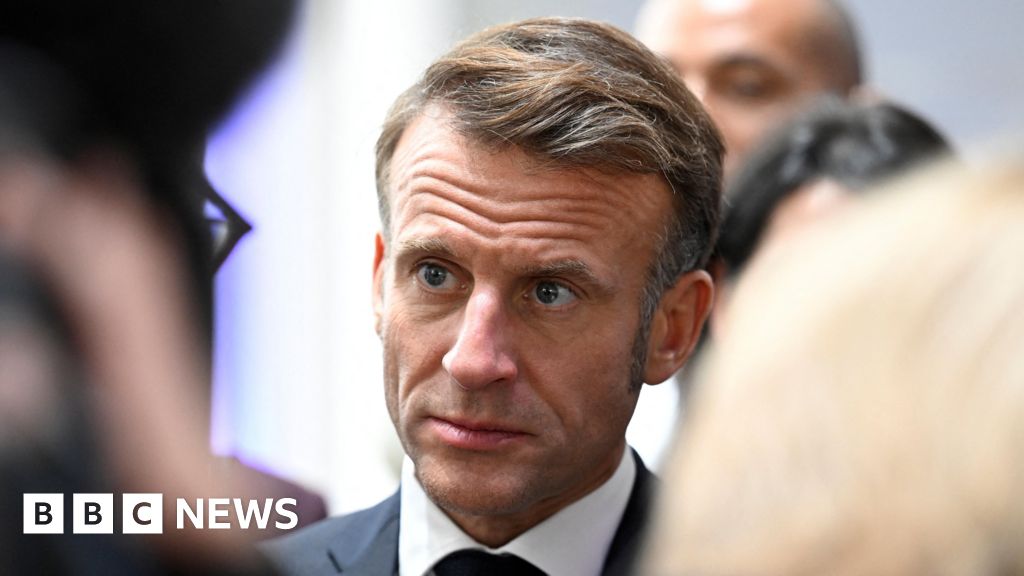
Emmanuel Macron’s presidency is currently facing significant challenges as political unrest grows in France. After eight years in office, Macron’s leadership appears increasingly precarious, evidenced by the recent resignation of Prime Minister Sébastien Lecornu, who is the third prime minister to depart within a year. Polls indicate that a substantial majority of voters—nearly 75%—believe Macron should resign.
Lecornu announced his resignation shortly after taking office, though he agreed to extend his tenure for 48 hours to facilitate urgent discussions with political factions. This resignation is part of a broader political turmoil stemming from Macron’s decision to call a snap parliamentary election in June 2024, which resulted in a hung parliament that stripped his centrist partners of their majority.
The financial crisis, particularly regarding France’s national debt, remains the core challenge for the government. Public debt currently exceeds €3,345 billion, representing almost 114% of GDP, making it one of the highest in the eurozone. Previous prime ministers struggled to address this issue, often facing removal due to their handling of austerity measures.
Prominent political figures have been vocal about their demands for Macron to step down. Those on the far-right, including Marine Le Pen and her lieutenant Jordan Bardella, seem ready for elections, while Jean-Luc Mélenchon from the radical left has pushed for impeachment despite it being unlikely. Meanwhile, Macron’s own party members express confusion regarding his decisions, complicating potential alliances.
As Lecornu engages with party representatives, he must deliver a proposed “platform of action and stability” by Wednesday. Possible outcomes include forming a government with center-right parties, triggering fresh parliamentary elections, or even potential early presidential elections. Given the political landscape, compromises appear difficult to achieve. Considerations surrounding Macron’s future in office are intensifying as he navigates the complexities of an increasingly fragmented political environment.
Source: https://www.bbc.com/news/articles/c0kn04453z8o?at_medium=RSS&at_campaign=rss