
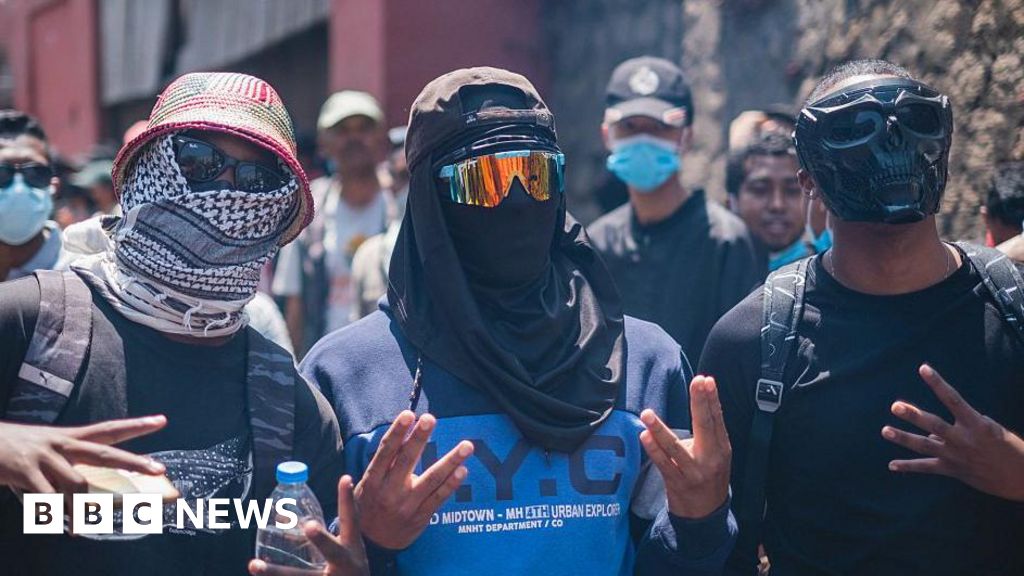
Thousands of individuals in Madagascar have participated in protests over the past week, marking the largest demonstrations in the country in over 15 years. The unrest has escalated from frustrations regarding shortages of essential goods to a significant challenge against President Andry Rajoelina, who has been in power since 2018. In an effort to quell the protests, Rajoelina dismissed his government, but this action did not satisfy the demonstrators.
According to the UN, at least 22 people have died and over 100 have been injured during the protests, although the Malagasy government disputes these figures, calling them based on “rumors and misinformation.” The protests were ignited by the arrest of two city politicians on September 19, who had intended to organize a peaceful demonstration addressing ongoing issues with power and water supply. Daily outages have been reported, prompting activists to accuse the government of failing to meet basic rights.
The protests have spread beyond the capital, Antananarivo, affecting at least eight other cities. Protesters have voiced their frustrations about the government’s inadequacies regarding public services, and many participants are linked to a youth-led movement called Gen Z Mada, which initially organized its activities through social media.
The demonstrators demand the president’s resignation, citing broader calls for political change and accountability for the actions of security forces. In response, the government has maintained a significant presence of security forces across major cities and has imposed a curfew following incidents of violence and looting. While the president has promised to address the electricity crisis and support affected businesses, public anger seems to persist, raising questions about the government’s approach to managing dissent and the potential for prolonged unrest. Madagascar, classified as one of the poorest countries globally, faces ongoing challenges in governance, with a significant portion of its population living below the poverty line.
Source: https://www.bbc.com/news/articles/cz082y8j3jzo?at_medium=RSS&at_campaign=rss