
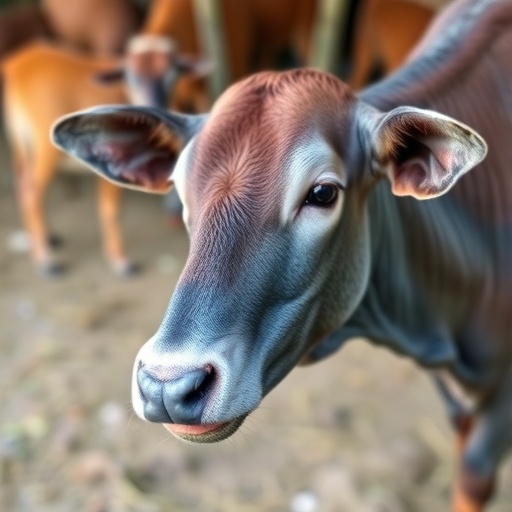
The bluetongue virus (BTV) has emerged as a significant threat to small ruminants, notably in South Asia, including Bangladesh. A recent study by Haque et al. provides a detailed review of BTV, highlighting its prevalence, symptoms, diagnostic methods, and potential control strategies in affected areas.
BTV is primarily transmitted by Culicoides midges, causing fever, swelling, and lesions in infected livestock. These symptoms lead to high morbidity and mortality rates among small ruminants. Factors such as climate change and shifts in livestock management are believed to have increased the incidence of BTV in South Asia. The virus exhibits considerable genetic diversity, complicating vaccine development since different serotypes can co-circulate and mutate, affecting their virulence.
Advancements in diagnostic techniques, including RT-PCR and serological assays, have enhanced the speed and accuracy of BTV detection, which is crucial for timely intervention. Control strategies are multifaceted, requiring a thorough understanding of viral biology and environmental influences on transmission. Although vaccination is a primary method for mitigating BTV impact, the effectiveness varies according to circulating strains. Ongoing research is necessary to assess existing vaccines and explore new approaches.
Socio-economic factors also impact BTV management, particularly in resource-limited settings. Developing affordable control measures and enhancing farmer education on vaccination and biosecurity are essential for effective management. The study emphasizes the need for a One Health approach, integrating human, animal, and environmental health to develop comprehensive strategies against BTV and similar zoonotic diseases.
- Why it matters: Understanding BTV can help businesses in the livestock sector improve animal health and productivity, reducing economic losses.
- Effective BTV management strategies will be essential for enhancing food security and sustaining rural economies in impacted regions.
- The latest: The ongoing study emphasizes the urgent need for robust funding and collaboration in BTV research and control measures.
Source: https://bioengineer.org/new-insights-on-bluetongue-virus-in-south-asia/
Source: https://bioengineer.org/new-insights-on-bluetongue-virus-in-south-asia/