
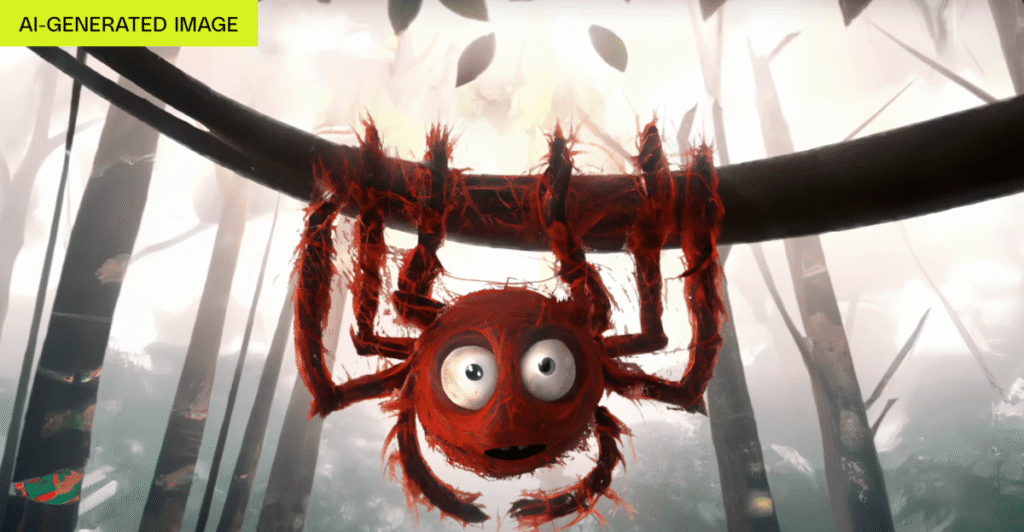
In recent years, advances in text-to-image and text-to-video models, such as OpenAI’s DALL-E, Runway’s Gen series, and Meta’s Make-A-Video, have led to notable improvements in generative AI technology. Several Hollywood studios have begun to explore the potential applications of generative AI in filmmaking, although concerns about copyright issues and job displacement remain prominent.
Supporters of generative AI argue that it could democratize art by lowering barriers to entry for creativity, such as drawing or writing. Despite this, criticism persists regarding the quality of AI-generated video content and its effectiveness in professional workflows. For instance, while studios voice enthusiasm for AI, many products currently lack sufficient quality for mainstream use.
Generative AI has been employed covertly in established productions previously, such as for de-aging actors in The Irishman and enhancing visual effects in various Marvel films. However, the public-facing aspect of AI’s role in production remains limited. Recent actor and writer strikes have highlighted dissatisfaction with the industry’s approach to AI, emphasizing concerns about respective job security and copyright infringement.
Although major tech firms like OpenAI, Google, and Meta are building partnerships with studios, the implementation of AI solutions faces challenges, especially in overcoming technical limitations that hinder quality outputs. Examples include Lionsgate’s partnership with Runway, which struggled due to inadequate training data from Lionsgate’s portfolio.
In addition, the production landscape in Hollywood has shifted, with many studios scaling back spending and looking for cost-effective solutions amid a competitive environment. Some companies believe generative AI could lower production costs; however, questions about the sustainability of this approach and its effect on jobs in the industry linger.
Future projects featuring AI-generated content, like OpenAI’s upcoming film Critterz, aim to illustrate the potential of this technology in mass production. Yet, the long-term impact of AI adoption on the arts community and employment remains uncertain.
Source: https://www.theverge.com/column/785975/hollywood-ai-stepback