
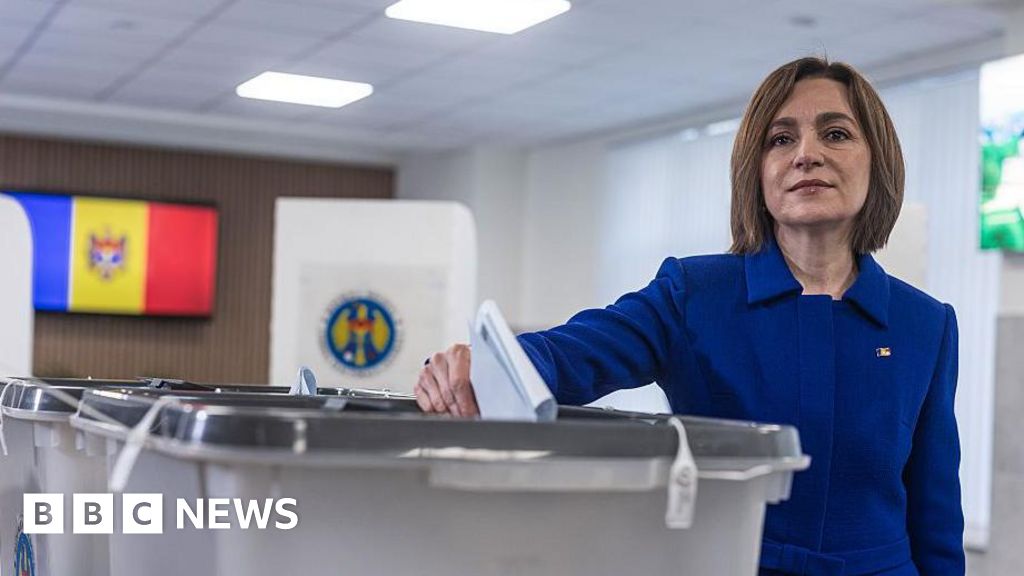
Moldova held parliamentary elections that are considered significant for the nation’s potential alignment with the European Union. Concerns regarding alleged “massive Russian interference” emerged prior to the vote, as mentioned by both authorities and President Maia Sandu. She emphasized the vulnerability of Moldova’s democracy and suggested that national stability is at risk.
Preliminary results from the election are expected soon, with voter turnout reported at just under 52% as polls closed. The main competitors in the election were Sandu’s Party of Action and Solidarity (PAS) and the pro-Russian Patriotic Electoral Bloc, indicating a closely contested race.
Additionally, a large turnout of over 267,000 voters from the predominantly pro-Western diaspora was noted. Reports of bomb scares at polling sites in various countries, including Italy, Romania, and the U.S., added to the tense electoral atmosphere. Similar threats were also reported within Moldova.
The nation contains a pro-Russian breakaway region, Transnistria, which complicates the electoral landscape. Transnistrian residents, who hold Moldovan passports, had to cross the Dniester River to cast their votes.
Moldova faces economic challenges, including inflation and corruption, compounded by the ongoing conflict in neighboring Ukraine. Sandu, who was re-elected last November, urged voters to consider the importance of their decisions, warning that insufficient engagement could jeopardize their democratic progress.
If the PAS party does not secure a majority in the 101-seat parliament, coalition negotiations with other parties, such as the Alternativa bloc or the populist Our Party, may become necessary. Allegations from rival Socialist leader Igor Dodon implied that election cancellations were potentially in the works due to pro-Russian opposition momentum. The police have alleged unprecedented disinformation campaigns and vote-buying efforts connected to Russia, which have been disputed by parties supportive of Moscow.
Source: https://www.bbc.com/news/articles/cx2rdlj8ejgo?at_medium=RSS&at_campaign=rss