
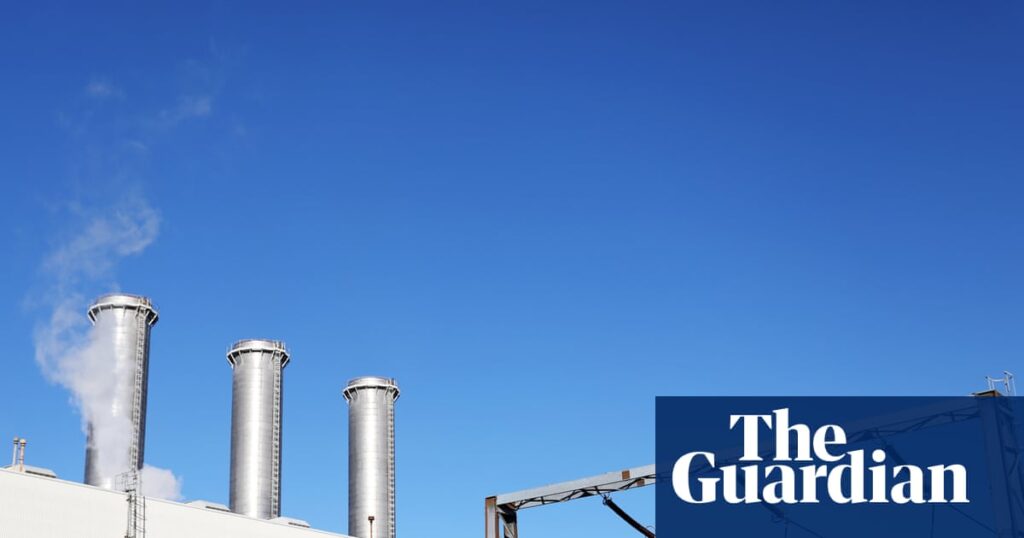
Rye House power station, located 18 miles north of London in Hertfordshire, has been operational since 1993, making it the longest-serving gas power plant in Britain. While it contributes substantially to the electricity supply, it also has the distinction of producing some of the country’s most expensive electricity. Owned by a subsidiary of Vitol, the plant has recently attracted attention for its calls for high payments during periods of energy scarcity.
In the winter of 2022, following the disruption of gas supplies due to Russia’s invasion of Ukraine, Rye House set a record by charging £6,000 per megawatt-hour, while typical market prices range from £60 to £100. In January 2023, the plant was compensated over £6 million to operate for just a few hours during cold weather, raising concerns among climate advocates and consumer groups. These stakeholders urge the government to accelerate plans to diminish reliance on gas power to 5% of the system by 2030.
The National Energy System Operator (Neso) oversees a system where energy companies submit bids to operate their plants based on anticipated demand. Despite calls for a transition to renewable energy sources, experts indicate that gas power plants, including Rye House, will remain essential for reliability in the energy grid through the upcoming decade.
Rye House operates only 5-10% of the time, which complicates profit generation. It is suggested that high electricity prices may be necessary to cover operational costs even when the plants are not in use. The UK government introduced a capacity market in 2012 to secure the future of gas generators as the country shifts away from fossil fuels, allowing companies to bid for contracts to keep their plants on standby.
Proposals for reforming the electricity market have emerged, with suggestions to reserve gas plants for emergency use rather than allow them to compete in the wholesale market. Some industry sources express skepticism about these reform proposals, fearing they may reduce market incentives for energy reliability and flexibility.
Source: https://www.theguardian.com/business/2025/sep/27/power-plants-gas-generators-profits