
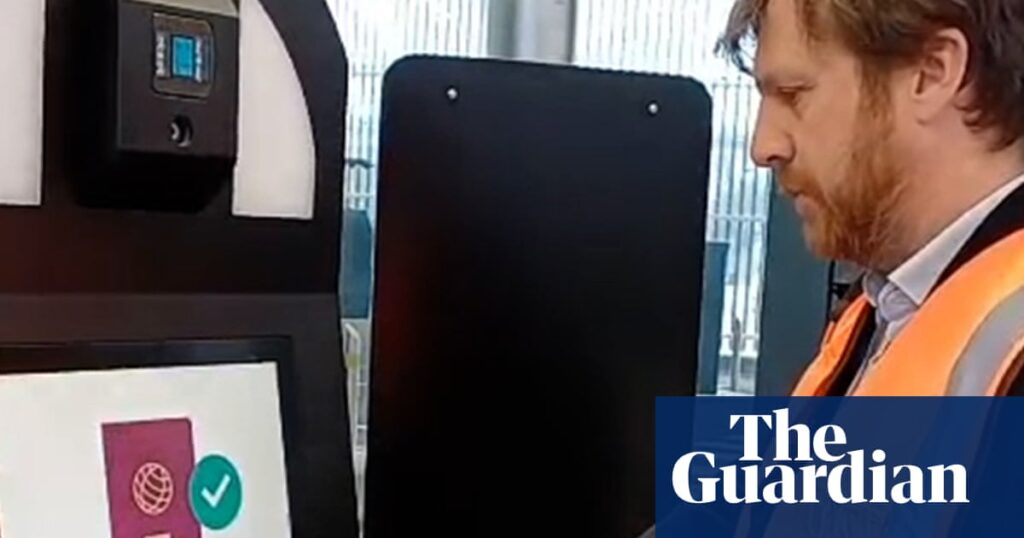
The European Union’s long-planned Entry-Exit System (EES) officially launches on October 12. This system requires non-EU citizens to register biometric data, including facial photographs and fingerprint scans, at the borders of the Schengen Area. Despite extensive preparations over the years, questions remain about its readiness for implementation.
The UK, having contributed to the scheme’s initial design, finds itself outside the EU Schengen zone, alongside countries from Azerbaijan to Zimbabwe. The expected mobile app for pre-registration for UK travelers has not been developed, necessitating that all biometric data be collected at borders for travel into Europe. This puts added pressure on British travelers, particularly those making short trips across the Channel, as they will now need to complete formalities before their journeys.
Transportation operators such as Eurostar, Eurotunnel, and the Port of Dover have adjusted their processes and invested heavily in infrastructure to accommodate the new system. Passengers at Dover and Eurotunnel must exit their vehicles, though exceptions may apply based on disability. Concerns have been raised that the implementation of these checks could lead to significant traffic congestion, especially coming into Dover.
Eurotunnel has invested €80 million in its border technology and aims to minimize disruption by managing the flow of passengers effectively. Although the Eurostar service at St Pancras has been described as smaller in scale, it still requires passengers to complete a detailed registration process, potentially lengthening travel times.
A six-month introductory period will allow for a phased rollout of the EES, during which compliance will initially focus on coach and freight passengers. Non-EU citizens traveling with private vehicles will also go through new lanes designed for this process. While some kiosks and procedures are in place, it remains unclear how efficiently the system will operate under real-world conditions. The EU is cautious, having granted a temporary grace period to address potential issues arising from high passenger volumes.
Source: https://www.theguardian.com/world/2025/sep/27/will-the-eu-new-fingerprint-entry-system-cause-gridlock-the-guardian-tried-it-out