
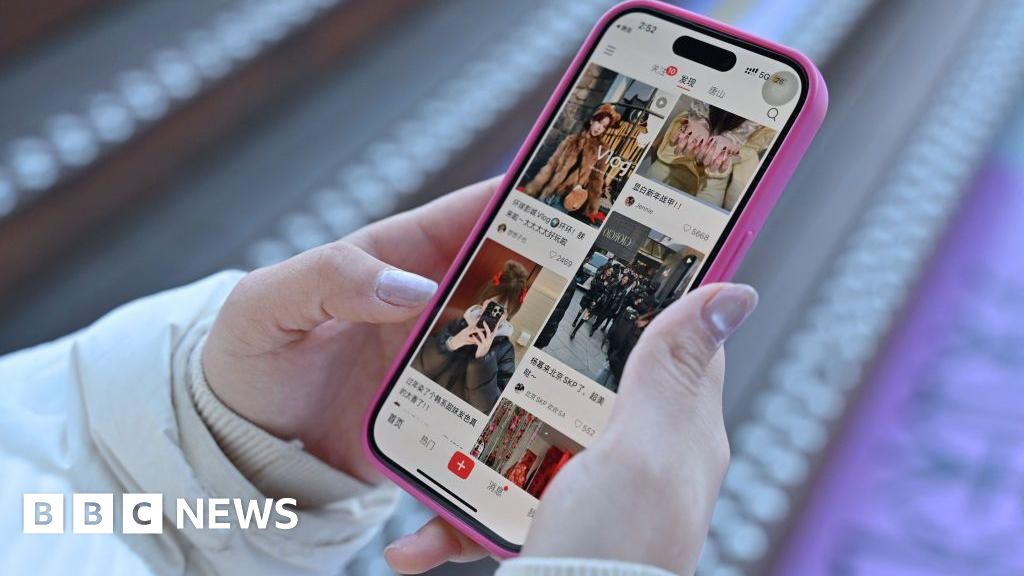
The Chinese government has initiated a campaign targeting negative sentiments prevalent on social media, particularly among the youth. The Cyberspace Administration of China launched this two-month effort to reduce posts that excessively exaggerate despair and pessimism. Authorities claim the objective is to foster a more civilized online atmosphere by addressing commonly shared narratives like “studying is useless” and arguments related to future disillusionment.
China’s current economic challenges, including a property crisis, rising youth unemployment, and intensified competition for educational and job opportunities, have contributed to growing feelings of despair among the younger population. Observers note that many young individuals are grappling with concerns about their future prospects, often feeling their livelihoods may not improve compared to those of previous generations. These sentiments have led to an increase in frustration, prompting government scrutiny of social media narratives.
The crackdown extends to influencers, including well-known content creator Hu Chenfeng, whose accounts were purged after he made a viral comment comparing people as “Apple” or “Android,” with “Android” implying lower status. Hu’s remarks sparked criticism for potentially deepening societal divides, a situation the government seeks to avoid.
In a similar case, online educator Zhang Xuefeng faced sanctions after suggesting practical choices in a challenging world, reflecting students’ harsh academic and financial realities. His accounts have been restricted from gaining new followers, raising questions about the underlying messages being monitored by the state.
The Cyberspace Administration has also threatened penalties against popular social media platforms like Xiaohongshu, Kuaishou, and Weibo for not adequately managing negative content. This broader internet cleanup effort aims to present a more positive online environment, yet critics argue that suppressing critical expressions may undermine mental well-being, with many young people still facing economic hardships and living with their parents as they navigate these challenges.
Source: https://www.bbc.com/news/articles/c39r7p47wzgo?at_medium=RSS&at_campaign=rss