
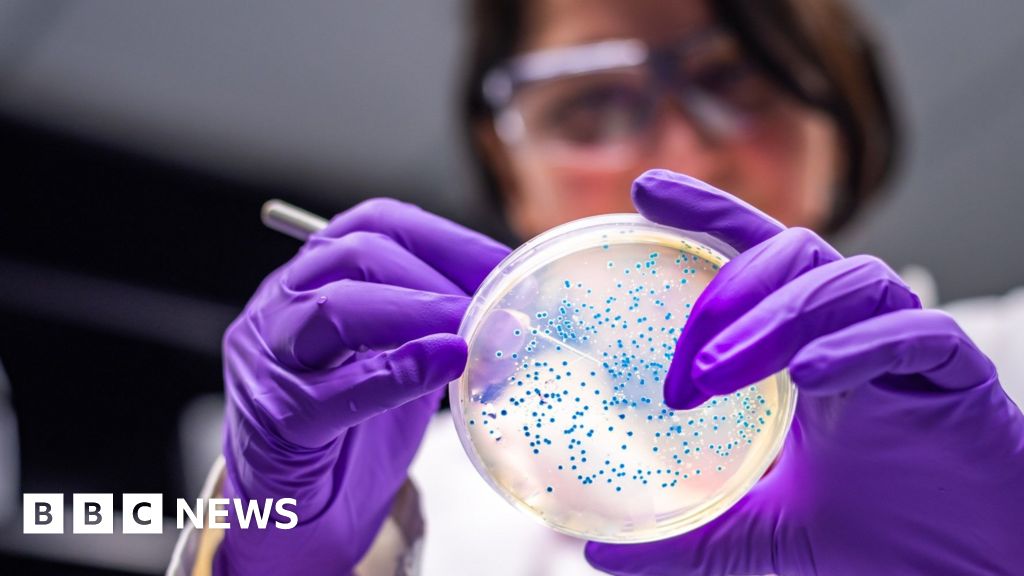
Earlier this year, scientists made headlines with a method that utilizes genetically engineered Escherichia coli (E. coli) to convert a plastic-derived molecule into paracetamol, a common painkiller. The research was led by Professor Stephen Wallace from the University of Edinburgh. E. coli, a rod-shaped bacterium commonly found in the intestines of humans and animals, is known for its role in various health issues, but non-pathogenic strains have significant applications in biotechnology.
Professor Wallace explained that E. coli is often selected in laboratories for genetic engineering because it is a reliable model organism, allowing scientists to test biological hypotheses. It has been widely used to produce various products, including pharmaceuticals like insulin, and has potential applications for turning plastic waste into other products like vanilla flavor and perfumes.
The bacterium’s prominence in biotechnology is attributed to its unique attributes: it grows quickly, is easy to manipulate genetically, and can produce various substances economically. However, some experts are now questioning whether this reliance on E. coli may limit innovations in biotechnology. Paul Jensen, a microbiologist at the University of Michigan, noted that many other bacteria remain understudied compared to E. coli, suggesting that alternative microbes could outperform E. coli in various applications.
Researchers are exploring options beyond E. coli, such as Vibrio natriegens (V. nat), noted for its rapid growth rate and efficiency in taking up foreign DNA. This organism has been recognized recently for its potential in addressing sustainability challenges, such as producing jet fuel and mining rare earth metals. While V. nat presents intriguing possibilities, many genetic tools necessary for its widespread use are still not available, making E. coli a staple for now in industrial applications.
Source: https://www.bbc.com/news/articles/c4gvm1kjxxvo?at_medium=RSS&at_campaign=rss