
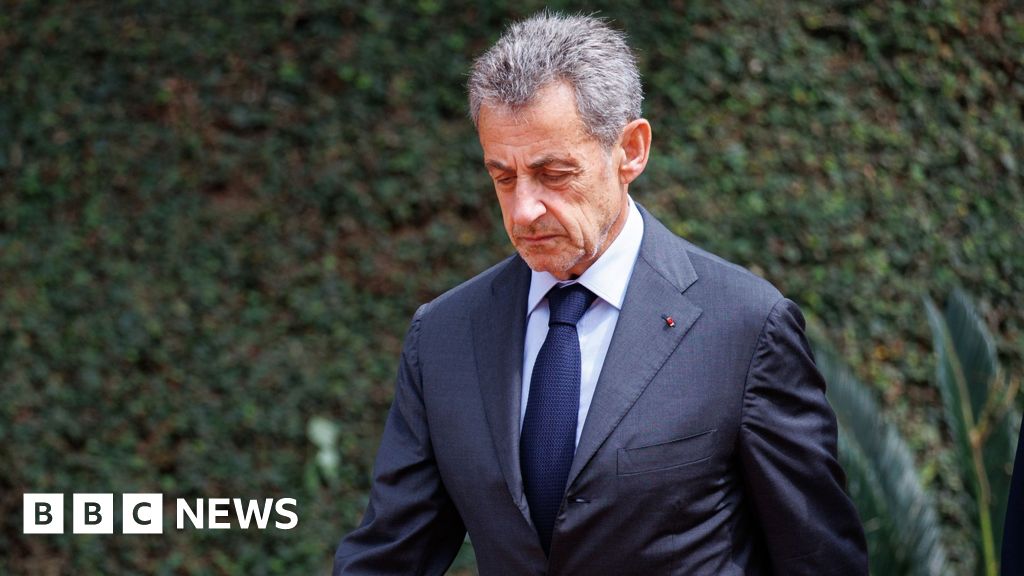
Nicolas Sarkozy, the former President of France, has been sentenced to five years in prison for criminal conspiracy, making him the first former French president to receive such a sentence. This ruling comes after his involvement in a case associated with alleged campaign financing from Libya. Following his sentencing, Sarkozy expressed frustration over what he perceives as ongoing animosity directed at him.
Sarkozy’s political career has been marked by controversies, and he has previously claimed to be the target of a coordinated effort by certain sectors of the French judiciary and media. His supporters are questioning the nature of the court’s ruling, particularly why he was acquitted on three out of four charges, including illegal party financing and embezzlement of Libyan funds. They also seek clarification on why he was convicted solely for “criminal association” and not for the more severe offenses. This conviction, alongside a 20-year delay from the time of the offense, raises additional inquiries regarding his punishment.
The court’s decision mandated that the sentence be enforced immediately, despite Sarkozy’s intent to appeal, which has drawn further criticism regarding the fairness of the process. There is a notable division in public sentiment towards Sarkozy, with some viewing him sympathetically, while others highlight his repeated legal issues, including prior convictions related to corruption and illegal campaign financing.
The political landscape in France remains contentious, with Sarkozy’s sentencing igniting debates about judicial fairness and the privilege of influential figures. Supporters from the right and far-right perceive his conviction as a reflection of left-wing judicial bias. Conversely, the left criticizes the situation as indicative of systemic inequalities in how the law is applied to the powerful. While Sarkozy’s influence has waned, his case underscores the deep divisions within French society regarding justice and political accountability.
Source: https://www.bbc.com/news/articles/c0r09r29pw8o?at_medium=RSS&at_campaign=rss